If you've ever wondered how long CBD stays in your system, you're not alone, and the answer is genuinely more nuanced than a single number. A handful of factors shape the timeline, from the product type you choose to your metabolism, body composition, and how often you use it. This guide breaks down what actually influences how long CBD sticks around, what it means for drug testing, and how to make smarter decisions if timing matters to you.

How long CBD stays in your system: the short answer and why it varies

Here’s the short version: if you’re wondering how long does CBD stay in your system, there isn’t one exact clock. For some people, CBD may clear relatively quickly. For others, it can stick around for days or even longer, especially with regular use.

A big reason is that CBD is fat-soluble, so your body doesn’t process it the same way it would something water-soluble. Frequency matters too. So does serving size. And the product type can change the timeline quite a bit. A gummy, for example, moves through digestion, while a tincture or topical follows a different path.

You’ll also see people talk about half-life when they’re trying to estimate how long something stays in the body. For reference, a peer-reviewed study found that the half-life of THC is 1.3 days for an infrequent user and 5-13 days for frequent users. That stat applies to THC, not CBD, but it helps illustrate why cannabinoid timelines can vary based on use patterns.

Your metabolism, body composition, age, and hydration can all influence how long CBD stays in your blood, urine, or other tissues. And if your real question is does CBD show up on a drug test, that depends on more than timing alone. We’ll break all of that down next.

What affects how long CBD sticks around

There's no single answer to how long CBD stays in your system, because it genuinely depends on you. Your biology, your habits, and even the product you're using all factor into how quickly your body processes and clears it.

  • Dose: More CBD means more for your body to work through. A small, one-time amount clears faster than a larger or repeated dose.
  • Frequency of use: CBD is fat-soluble, so it can build up in fat tissue with regular use. Occasional users tend to clear it faster than those using it daily.
  • Body fat percentage: Since CBD is stored in fat cells, people with higher body fat may retain it longer. More storage space, longer potential stay.
  • Metabolism: A faster metabolism generally moves CBD out of your system more quickly. Age, activity level, and individual biology all play a part here.
  • Consumption method: How you take CBD shapes how it enters your body and how long it hangs around. Sublingual oils absorb fast, while edibles take longer to kick in and may stay detectable for a bit longer as a result.
  • CBD type: Full-spectrum, broad-spectrum, and isolate products can absorb and clear at slightly different rates. If you're unsure which you're using or what that distinction means, this breakdown of the different types of CBD is a good place to start.

Quick reference: The CBD half-life for most people falls somewhere between 18 and 32 hours, meaning that's roughly how long it takes for the concentration in your body to reduce by half.

None of these factors work in isolation. They stack, which is why two people using the same product can have pretty different experiences when it comes to how long CBD stays in their system.

Edibles, oils, topicals, and more: why the product type matters

How you take CBD matters more than most people realize, and it's one of the biggest factors in how long CBD stays in your system. Different delivery methods affect how quickly CBD enters your bloodstream, how noticeably you feel the effects, and how long traces might remain detectable.

  • Edibles and gummies: Onset typically ranges from 30 minutes to 2 hours, since CBD has to move through the digestive system first. Effects may last 4 to 6 hours, and because absorption happens gradually, this tends to be one of the longer-lasting formats overall.
  • Oils and tinctures: Held under the tongue, these absorb more directly into the bloodstream, with onset often landing somewhere between 15 and 45 minutes. Effects may last a similar 4 to 6 hours, but bioavailability is generally considered higher than with edibles.
  • Inhalation: The fastest onset of the bunch, often within minutes, though effects may taper sooner, usually within 1 to 3 hours.
  • Topicals: Creams, balms, and salves work locally at the skin's surface. Topical CBD is generally considered to have minimal systemic absorption, meaning it's unlikely to meaningfully affect blood or urine levels.

That last point is worth flagging if a drug test is on your radar. Unlike ingestible formats, topicals aren't thought to enter the bloodstream in significant amounts, which puts them in a very different category when it comes to detectability.

Because the CBD half-life can look quite different depending on what you're taking, understanding your format is a useful starting point. Still weighing your options? Our tinctures vs. gummies breakdown can help you decide.

Can CBD show up on a drug test?

Here's the thing most people actually want to know: standard drug tests are designed to detect THC metabolites, not CBD. So when it comes to how long CBD stays in your system, the more relevant question is what type of CBD product you're using. What shows up on a test, and when, really comes down to what's in the formula.

A few key distinctions worth understanding:

  • Full-spectrum CBD contains trace amounts of THC, legally up to 0.3%. With frequent or heavy use, those small amounts can accumulate in fat tissue and potentially trigger a positive result on a urine or blood screen.
  • Broad-spectrum and isolate products are formulated to contain little to no THC, which means they carry a meaningfully lower risk of a flagged result.
  • Detection windows vary by test type. THC can linger in urine for several days to a few weeks with regular use. How long CBD stays in your blood tends to reflect a shorter window, often just a few days for occasional users.

Label Check Tip: Before any scheduled test, verify whether your product is full-spectrum, broad-spectrum, or isolate. When in doubt, pull the product's certificate of analysis (COA) to see exactly what's in it.

The bottom line? CBD itself isn't what most drug tests are screening for. But the cannabinoids that travel with it might be. If you have a specific test on the horizon, a clinician or testing professional can give you guidance that actually fits your situation rather than a one-size answer that may not.

How to think about CBD timing if you’re planning ahead

Planning ahead with CBD really does come down to a few simple habits, most of which apply to any wellness routine.

Start with the product. Oils tend to work faster and clear the body more quickly than edibles, which take longer to metabolize and linger accordingly. If you're still figuring out which format fits your lifestyle, this guide to choosing CBD gummies is a good place to start.

Dose thoughtfully. Higher doses used more frequently can accumulate over time, which extends how long CBD stays in your system. Keeping things consistent also makes it easier to understand how your body responds.

Check the certificate of analysis. Any reputable brand will have third-party lab results on hand. These confirm actual THC levels, which is the number that really matters if drug testing is part of your calculation.

Give yourself a buffer. If something important is coming up, lean toward more time rather than less. How long CBD stays in your urine or blood varies from person to person based on metabolism, body composition, frequency of use, and the product itself, so there's no single formula that works for everyone.

Above all, remember that this is personal. If you have specific questions about your wellness routine or testing timeline, a healthcare professional is genuinely your best resource. A little expert input, tailored to you, goes a long way.

Frequently Asked Questions

How many hours does it take for CBD to wear off?

Usually, CBD’s noticeable effects wear off within a few hours, but the exact timing depends on the product type. Inhaled CBD may taper in 1 to 3 hours, while edibles, oils, and tinctures often last around 4 to 6 hours before effects start to fade.

How long does 20 mg of CBD stay in your system?

A 20 mg dose of CBD may stay in your system for anywhere from a couple of days to longer, depending on your metabolism, body composition, product type, and how often you use it. Most people fall within an estimated CBD half-life range of about 18 to 32 hours.

If you've ever picked up a CBD product and wondered what actually happened between a hemp field and that little bottle in your hand, this is the explainer you've been looking for. Understanding how to extract CBD from hemp means covering the major methods, the step-by-step process that turns raw plant material into a finished extract, and the quality checks that keep everything consistent along the way. By the end, you'll have the vocabulary and context to compare products, read a lab report, and shop with a lot more confidence.

What it actually means to extract CBD from hemp

If you've ever wondered what's actually happening before CBD ends up in your bath bomb or tincture, you're not alone. Extraction sounds technical, but the core idea is pretty simple: it's the process of pulling CBD and other beneficial compounds out of the hemp plant so they can be used in products you actually want to put on or in your body.

Hemp is the starting point because it's naturally rich in cannabidiol (CBD) and contains only trace amounts of THC, the compound associated with a psychoactive high. US law requires hemp to contain 0.3% THC or less, which is what makes it the preferred source for CBD extraction on a commercial scale. The flowers and leaves hold the highest concentration of CBD, so those parts are prioritized during harvest and processing, while the rest of the plant gets set aside.

It's also worth clearing something up early: hemp, CBD, and hemp seed oil are not interchangeable. Hemp is the plant. CBD is one of many naturally occurring cannabinoids found within it. Hemp seed oil is something else entirely — it's cold-pressed from the seeds and contains little to no CBD. It's a genuinely useful ingredient for skin hydration, but it won't deliver the same experience as a CBD product. If you want to dig deeper into that distinction, this breakdown of hemp vs. CBD is a solid place to start.

So when people ask how to extract CBD from hemp, what they're really asking is: how do you get from a raw plant to a concentrated, usable form of CBD? The answer comes down to choosing a method, carefully processing the plant material, and refining the result until it's ready to formulate. The sections ahead walk you through exactly how that works.

The main ways CBD is extracted from hemp

There are several ways to approach CBD extraction from hemp, and the method a brand chooses matters more than most people realize. It directly affects the purity of the final oil, how much of the plant's beneficial compounds survive the process, and ultimately what ends up in your tincture, gummy, or capsule. Knowing the basics helps you shop with a lot more confidence.

According to Purdue University's hemp research program, alcohol, hydrocarbon, and supercritical CO2 are all common methods of extraction, each with its own strengths depending on the end goal.

Method How It Works Purity/Quality Cost Best For
CO2 Extraction Pressurized CO2 acts as a solvent to pull cannabinoids from plant material Very high; minimal residual solvent risk Higher upfront equipment cost Consumer wellness products, full and broad spectrum oils
Ethanol Extraction Food-grade alcohol strips cannabinoids from the hemp plant High; requires extra refinement steps to remove chlorophyll and lipids Moderate; scalable for large batches High-volume production, isolates, edibles
Hydrocarbon Extraction Butane or propane pulls cannabinoids and terpenes from plant material High potency and terpene retention; requires careful residual solvent testing Lower equipment cost, higher safety overhead Concentrates, vape products, niche applications

CO2 is widely considered the gold standard for consumer-facing CBD products. It leaves behind no solvent residue and produces a clean, consistent extract without stripping out the terpenes and minor cannabinoids that make full spectrum oils worth using. Ethanol is a practical middle ground, especially for brands producing at scale. It does require an extra refinement step called winterization to remove unwanted plant waxes and lipids, but it's well-suited to high-volume runs. Hydrocarbon extraction shows up more often in cannabis concentrate production than in everyday CBD wellness products, largely because working with flammable gases like butane and propane comes with significant safety overhead.

Every method has a legitimate place in the industry. But when it comes to the hemp CBD extraction methods you'll see referenced on reputable product pages, CO2 and ethanol are the ones doing most of the heavy lifting. To see how these extraction methods translate into finished goods, explore how CBD products are made.

Step-by-step: how the extraction process works

Think of CBD extraction from hemp less like a single process and more like an assembly line. From the moment hemp is harvested to the point where a finished extract is ready to formulate, the plant moves through a carefully sequenced series of stages. Each one builds on the last, and cutting corners anywhere along the way tends to show up in the final product.

  1. Harvesting mature hemp. Hemp is harvested when cannabinoid levels peak, which producers determine by testing CBD and THC content before cutting. Timing matters more than most people realize.
  2. Drying and curing the biomass. Freshly cut hemp holds a lot of moisture. Slow, controlled drying preserves cannabinoid integrity and prevents mold from taking hold before extraction even begins.
  3. Applying an extraction method. This is where CBD is physically separated from the plant material. CO2 extraction uses pressurized carbon dioxide to isolate cannabinoids cleanly and without solvent residue. Ethanol extraction uses food-grade alcohol to pull cannabinoids from the plant, then removes the solvent afterward. Both are widely used at the commercial scale.
  4. Winterization. The raw crude extract is mixed with ethanol and chilled, causing unwanted fats, waxes, and lipids to solidify so they can be filtered out. It's essentially a cold-temperature cleanup step.
  5. Filtration. The chilled mixture passes through a filter to remove those solidified impurities, leaving a noticeably cleaner liquid behind.
  6. Decarboxylation. Heat is applied to convert inactive cannabinoid acids like CBDA into their active forms, including CBD itself.
  7. Refinement into distillate or isolate. Finally, the extract is processed further through distillation or chromatography to hit the desired purity and cannabinoid profile.

Distillate vs. isolate: CBD distillate is a highly refined oil that still contains a range of cannabinoids and terpenes alongside CBD. Isolate takes things a step further, stripping everything else away to leave behind CBD in its purest crystalline form, typically 99% or higher.

Every stage in this sequence has a direct impact on what ends up in your product. Winterization affects smoothness, filtration affects clarity, and refinement determines whether you're working with a full-spectrum, broad-spectrum, or isolate-based formula. If you want to follow the story from extract to finished product, our guide on how CBD products are made picks up right where extraction leaves off.

How quality is protected during extraction and refinement

Getting consistent, reliable CBD from hemp isn't just about picking the right extraction method. It's about the controls applied at every stage, from the field where the hemp grows all the way through final testing before a product lands in your hands. Skip any one of those checkpoints, and even the cleanest process can fall short.

Here are the quality control steps that actually matter:

  • Source hemp quality: Hemp is a bioaccumulator, meaning it pulls whatever's in the surrounding soil straight into the plant. Organically grown, third-party tested hemp significantly lowers the risk of pesticides or heavy metals making it into your extract.
  • Solvent removal: After ethanol or CO2 extraction, residual solvents need to be fully purged. Incomplete removal can affect both safety and the final flavor of the product.
  • Residual solvent testing: Even after purging, the finished extract is tested to confirm solvent levels fall within the limits set by industry and regulatory standards.
  • Potency testing: This verifies that the CBD concentration in the product actually matches what's printed on the label. Without it, consistent dosing is just guesswork.
  • Contaminant screening: Testing for heavy metals, pesticides, microbials, and mycotoxins catches anything that shouldn't be there before a product ever leaves the facility.
  • Third-party lab reports: Independent labs with no financial stake in the outcome run the final checks, so results stay verifiable and unbiased.

Certificate of Analysis (COA): A COA is a detailed lab report from an independent testing facility that documents potency, contaminants, and solvent levels for a specific batch. For any consumer trying to understand what actually ended up in their product, it's the clearest, most direct answer available. Always ask for one before you buy.

These controls are what turn a solid extraction process into something you can genuinely trust. When sourcing and testing practices are made public, transparency does the talking for you. See exactly how Kush Queen approaches hemp CBD sourcing and quality standards and what goes into keeping every batch consistent.

What to look for when choosing a CBD product

Knowing how CBD is extracted from hemp gives you a real advantage when you’re comparing products in a store or scrolling online. Once you understand how CBD is extracted, labels start making a lot more sense. Extraction method, ingredients, and testing all give you clues about overall quality.

Here are the main things to check before you buy:

  • Extraction method: Common hemp CBD extraction methods include CO2 extraction CBD and ethanol extraction CBD. CO2 extraction can produce a clean, consistent extract without leaving residual solvents when handled properly. Ethanol extraction CBD can also deliver a high-quality result when the process is carefully controlled.
  • Full-spectrum vs. isolate: Full-spectrum products contain CBD plus other naturally occurring hemp compounds. Isolate is just CBD, with everything else removed. Which one makes sense depends on your preferences and routine.
  • Third-party lab testing (COAs): A certificate of analysis should confirm cannabinoid potency and screen for things like pesticides, heavy metals, and residual solvents. If a brand makes the lab results easy to find, that’s a very good sign.
  • Ingredient transparency: Look for a short, readable ingredient list. If you need a decoder ring to understand it, maybe keep browsing.
  • Product format and intended use: Gummies, tinctures, capsules, and topicals all fit into a routine differently, so it helps to choose based on how you actually plan to use the product.
  • Sourcing practices: Hemp quality matters too. Many shoppers look for domestically grown, non-GMO hemp as a solid starting point.

Worth knowing: CO2 extraction is a popular method because it can produce a clean, consistent extract without leaving residual solvents when handled properly.

Brands that put care into CBD extraction from hemp often bring that same energy to formulation, testing, and labeling. Kush Queen is a thoughtful example, with clearly labeled products and accessible lab results. If gummies are on your shortlist, check out the guide on how to choose the right CBD gummies.

Putting it all together: choosing the right CBD for your routine

Now that you understand how CBD is extracted from hemp, shopping for the right product gets a lot less overwhelming. You're no longer just staring at a label hoping for the best. You actually have something to work with.

Start with the basics: check the label for the extraction method and the type of CBD, whether that's full spectrum, broad spectrum, or isolate. Then look for a certificate of analysis from a third-party lab. A current COA shows you what's actually in the product, including cannabinoid levels and whether it cleared testing for pesticides, heavy metals, and residual solvents. If a brand buries that information or doesn't offer it at all, that tells you something too.

From there, it comes down to fit. Tinctures and capsules work well for people who want something consistent and easy to weave into a daily rhythm. Topicals make sense when you're zeroed in on a specific area. Gummies land somewhere in the middle: practical, familiar, no measuring required.

There's no single right answer, and what works for you now might look different in a few months. That's completely fine. If you're still figuring out where CBD fits into your day-to-day, our guide on how to build a CBD self-care routine is a great place to keep going.

You've done the research. Now you can shop with more confidence and a lot less second-guessing.

Starting with cannabis for the first time shouldn't feel like a pop quiz you never studied for. This guide breaks down the decisions that actually matter for cannabis for beginners: format, onset time, dose, and how to read a label so you know what you're actually buying. By the end, you'll have a clear, low-stress framework for picking a first product that feels manageable and right for you.

Cannabis for beginners: what you actually need to decide first

Starting with cannabis for the first time can feel a little like walking into a coffee shop where the entire menu is written in Italian. There's a lot going on, and most of it sounds more complicated than it actually is.

Here's the thing: once you get a handle on a few key decisions, the rest falls into place pretty quickly.

Format is the first one to think about. Cannabis products generally fall into a handful of categories: smokable flower, vapes, edibles, tinctures, and topicals. Each one delivers cannabinoids differently, so the experience, the timing, and how much control you have over it all varies quite a bit depending on what you choose.

For most people exploring beginner cannabis products, the format decision comes down to two simple questions: how fast do you want to feel something, and how much say do you want over your dose? Inhaled options like vapes kick in within minutes, but that speed can catch new users off guard if they're not expecting it. Edibles are slower, sometimes taking 30 minutes to two hours, which makes it surprisingly easy to take too much before you feel anything at all. Tinctures land somewhere in the middle: flexible, easy to measure, and simple to adjust as you go. If you're curious about that option, this THC tincture guide is a solid place to start.

Potency matters just as much as format. Low-THC or CBD-forward products tend to be the most approachable entry points, giving you room to learn how cannabis actually feels for you without going too hard too fast.

How do you want it to feel: fast, gentle, or easy to control?

Before you spend a single minute scrolling through product pages, ask yourself one question: how do I actually want this to feel? For cannabis beginners, the difference between fast, gentle, and easy to control matters far more than what's trending or what someone else swears by. Getting clear on this upfront is what separates a great first experience from one that felt like way too much, or disappointingly like nothing at all.

Product Type Onset Speed Control Level
Tinctures 15–45 minutes High — easy to adjust dose in small increments
Gummies 30–90 minutes Moderate — dose is fixed per piece, effects build slowly
Vapes 5–15 minutes Moderate — fast-acting, but harder to pace if you're new
Topicals No systemic onset High — localized, non-intoxicating, very low stakes

A few things worth unlearning before you decide:

  • Faster is better. Not necessarily. Quick onset can feel intense before you've had a chance to settle in.
  • Edibles are the easiest option. Actually, delayed onset makes dosing trickier, not simpler. Many beginners underestimate how long gummies take and end up taking more than they needed.
  • Vapes are basically like smoking. The potency and speed can genuinely catch first-timers off guard.
  • Topicals don't really do anything. They're actually one of the most beginner-friendly formats out there — localized, non-intoxicating, and completely low-pressure.

Once you know your comfort level, everything else gets easier to filter. Want gentle and gradual? Tinctures or low-dose gummies are a solid place to start. Prefer targeted support without any intoxication? Topicals are worth a serious look. Let that preference lead the way.

Why dose and potency matter more than product hype

When it comes to cannabis for beginners, what a product is called matters a lot less than what's actually in it. The trending format, the clever name, the sleek packaging — none of that tells you how you're going to feel. Potency and serving size do.

Three numbers are worth paying attention to before anything else:

  • THC percentage: How potent the product is overall
  • Serving size: How much you're actually consuming in one go
  • Onset time: How long to wait before deciding you need more

Good starting point: 2.5–5mg THC per serving is widely considered a beginner-friendly dose. Enough to feel something without feeling like you've overdone it.

New Jersey's cannabis authority puts it plainly: if you are new to cannabis or have not used it in a long time, start with a low THC dose and wait a couple of hours to see how your body handles it. That waiting part is just as important as the dose itself. Your body needs time to respond, and jumping ahead too soon is where most first-time experiences go sideways.

Lower-dose products take most of that guesswork off the table. Kush Queen's microdose THC collection is built around pre-measured, approachable formats designed to help you stay in control from the very first use. No mental math, no estimating — just a clear, consistent starting point.

Learning to read potency before you buy is one of the most practical cannabis basics for beginners to hold onto. It's the difference between a first experience that feels manageable and one that makes you swear off the whole thing.

What to look for on the label before you buy

The label is where marketing ends and real information begins. Words like "premium," "relaxing," or "good vibes only" tell you nothing about what's actually inside or how it might affect you. Learning to read past the branding is one of the most practical skills you can build before you ever add something to your cart.

Here's what's actually worth checking:

  • Cannabinoid profile: Look for a specific breakdown of CBD, THC, CBN, or other cannabinoids. "Full spectrum" without numbers attached is not enough information.
  • Milligrams per serving: Non-negotiable. You need to know exactly how much you're getting in a single dose, not just the total amount in the package.
  • Ingredient list: Short and readable is a good sign. A long list of fillers or ingredients you can't pronounce is worth a second look.
  • Intended use timing: Quality products often indicate daytime, evening, or general use. It's a small detail that gives helpful context for when to take something and what to expect.
  • Third-party testing or COA: This confirms an independent lab verified what's actually in the product. If a brand makes it hard to find, that's telling.
  • Natural vs. artificial flavoring: Not a dealbreaker, but worth knowing if you have sensitivities.

Beginner tip: Look for clearly labeled per-serving doses of 5mg or less. Starting low gives you room to adjust without guessing.

Think of the label as your first filter, not an afterthought. If you're starting with edibles, our guide on how to choose the right CBD gummies walks you through exactly what to look for.

The best beginner-friendly products by scenario

The best cannabis for beginners usually comes down to one question: what do you want your first experience to be like in real life?

“I want something discreet” If you want to keep things simple and low-profile, gummies are often the easiest place to start. There’s no smoke, no strong odor, and each piece is typically pre-measured, which makes them one of the more approachable beginner cannabis products. They’re especially helpful if you want a format that feels familiar and easy to shop for.

“I want something easy to measure” Look for products with a clearly labeled amount per serving, like gummies or tinctures. That milligram number matters more than flashy branding because it tells you how much you’re actually taking. A precisely dosed gummy or a tincture with a marked dropper gives you more control, which is a big part of learning how to use cannabis for the first time without guessing. Kush Queen gummies fit well here because the serving size is straightforward and easy to understand at a glance.

“I want something that fits into my self-care routine” This is where topicals, bath bombs, and soaks make sense. They’re cannabis-inspired self-care products, not the same experience as an ingestible THC product, so they’re best thought of as a body-care option rather than a typical “first high.” If your goal is to ease into the category through ritual and routine, Kush Queen’s CBD bath products are a thoughtful entry point. And if you want ideas for making that feel intentional, building a CBD self-care routine is a helpful next read.

For most people, the best weed for first-time users isn’t about hype. It’s the format that feels clear, manageable, and easy to trust.

How to make your first pick with confidence

If you've made it this far, you already have most of what you need. The rest is just narrowing it down.

Start with two honest questions: How quickly do you want to feel something, and how much control matters to you? If fast and adjustable sounds right, a low-dose inhalable is your best bet. If you'd rather have something slow, predictable, and completely dialed in, an edible or tincture with clear milligram labeling will serve you better.

From there, keep it simple. Stay at or under 5mg for any THC product. Choose something with honest labeling that tells you exactly what's inside and how much. Pick the format that actually feels comfortable to you, not the one that sounds the most interesting. And give yourself real time and space to notice how it lands before you consider taking more.

Budget is worth thinking about too. You genuinely don't need to spend much to start well. One low-dose product with straightforward labeling will tell you more about your preferences than a whole shelf of options ever could.

Still figuring out where CBD fits in? The Kush Queen beginner collection is a great place to browse at your own pace, without the overwhelm.

Cannabis basics for beginners really do come down to this: one good product, a low dose, and a little patience. That's a better foundation than anything else.

Frequently Asked Questions

Is a 10 mg edible too much for a beginner?

Yes, 10 mg can be too much for a beginner. A more approachable starting point is usually 2.5–5 mg THC per serving, then waiting a couple of hours before deciding whether you want more. With edibles, the slow onset is what trips people up most.

Is a 5mg edible a lot for a beginner?

For many beginners, 5 mg is a reasonable starting dose, but it can still feel like a lot depending on your comfort level. Staying in the 2.5–5 mg range is generally considered beginner-friendly, and patience matters since edibles can take 30 minutes to two hours to fully kick in.

Whether you're deep in the CBN vs CBD rabbit hole or just starting to wonder what makes CBG different from the rest, this guide breaks it all down in plain terms. You'll find out what each cannabinoid is commonly used for, how they compare across different parts of the day, and which formats actually make them easy to work into a routine. The goal is simple: help you figure out which one fits your life right now.

CBN vs CBD vs CBG: what each minor cannabinoid does differently

If you've ever typed "CBN vs CBD" into a search bar at midnight, you're definitely not alone. These cannabinoids are showing up everywhere right now, and while they all come from the same plant, they're not doing the same thing once they're in your body.

Here's the quick version. CBD, or cannabidiol, is probably the one you already know. It's widely used for everyday support: general balance, a sense of calm, helping things feel a little more manageable throughout the day. CBG, or cannabigerol, sometimes goes by "the mother of all cannabinoids" because it actually acts as a precursor to other cannabinoids during the plant's growth cycle. In practice, it tends to get associated with a more alert, clear-headed kind of support, which is why it's become a go-to for daytime routines. CBN, or cannabinol, is usually the newest name in the mix. It forms naturally as THC ages and breaks down, and most people encounter it in the context of winding down and easing into rest.

What makes the CBN vs CBD vs CBG conversation worth having is that none of these are interchangeable. Each has its own profile and a different moment in the day where it tends to feel most useful. That's exactly why people start comparing them: not because one is universally better, but because the right pick really does depend on what you're actually after.

If you want to zero in on just two of them, our CBD vs CBN breakdown is a great place to start.

How the effects compare: calm, daytime balance, and wind-down support

Each of these cannabinoids interacts with the body’s endocannabinoid system, but in everyday use, they’re often chosen for different parts of the day. The easiest way to think about cbn vs cbd vs cbg is by the kind of vibe people commonly associate with each one.

Cannabinoid Commonly Described As Typical Use Case / Time of Day
CBN Relaxing, settling, evening-friendly Often considered for nighttime routines
CBD Balanced, versatile, easy to pair with daily habits Commonly used morning through night
CBG Bright, clear-headed, daytime-friendly Often considered for mornings or daytime

How people often match them to a routine:

  • CBG is often the daytime pick. Many people describe it as a good fit for mornings, work blocks, or any time they want something that feels a little more alert and present.
  • CBD tends to be the most flexible of the three. It’s commonly used as an everyday option because it can fit into a wide range of routines without feeling tied to one specific time of day.
  • CBN is usually the one people look at for nighttime. Many users describe it as a better match for evening rituals, especially when they want their routine to feel a little more calm and settled.

In the cbn vs cbd conversation, this is usually the main distinction: CBN is more often associated with evening use, while CBD is generally seen as the more all-purpose option. That doesn’t mean there’s one “right” choice for everyone, but it does give you a practical place to start. If you want a closer look at those two specifically, this guide to CBD vs. CBN gummies breaks it down in a simple, side-by-side way.

Which one fits your routine best: nighttime, daytime, or everyday use?

Choosing between CBN, CBD, and CBG often comes down to timing just as much as it does to what you're hoping to support. Think of this less as a ranking and more as a scheduling guide — matching each cannabinoid to the part of your day that actually needs it.

Cannabinoid Best Timing Best For
CBN Nighttime Wind-down, sleep support, evening calm
CBD Morning, evening, or daily General balance, everyday stress support
CBG Morning or daytime Focus, gentle daily wellness support

A few lifestyle fits to help you think it through:

  • Early mornings and a clear head on the agenda? CBG tends to be a better fit than something more settling.
  • Hard time switching off at night? CBN is worth exploring as part of a wind-down routine.
  • Want one product that pulls weight across different parts of your day? CBD is the most flexible of the three.
  • Still figuring out what you need? Starting simple usually wins.

For most people new to cannabinoids, CBD is the most practical entry point. It's approachable, versatile, and easy to work into an existing routine. If that sounds like where you are, the beginner CBD collection is a solid place to start. But no single cannabinoid is universally better than another. When it comes to CBN vs CBD vs CBG, the right pick really comes down to your goals, your schedule, and how your body responds over time.

Product formats and how they differ in real life

The cannabinoid you choose matters, but so does the format you take it in. Onset time, convenience, and how easily you can fine-tune your dose all shift depending on the delivery method.

Format Onset Time Best For Ease of Use
Gummies 45–90 minutes Consistent nightly wind-down or daily routine Very easy, pre-dosed
Tinctures 15–45 minutes Faster onset, flexible dosing Easy once you find your dose
Capsules 45–90 minutes On-the-go simplicity, no taste Very easy, pre-dosed
Topicals 10–20 minutes (localized) Targeted muscle and tension support Easy, applied directly

One thing that genuinely moves the needle: starting with a product that's already done the formulation work for you. Kush Queen's cannabis product collection combines cannabinoids like CBN, CBD, and CBG in precise ratios across formats, so you're not left guessing what to stack or how much to take. That kind of consistency is what turns a one-time experiment into something that actually sticks.

A few practical things worth keeping in mind:

  • Lifestyle first: gummies and capsules are great anchors for a nightly ritual; tinctures give you more flexibility if your schedule varies
  • Exploring CBN benefits for wind-down support? A pre-dosed gummy taken 60 to 90 minutes before bed is a low-effort starting point
  • For everyday CBD or daytime CBG support, a capsule or tincture you can take on a consistent schedule tends to outperform anything situational

How to choose between CBN, CBD, and CBG based on your goals

Choosing between CBN, CBD, and CBG really comes down to one question: what do you actually need right now? Match the cannabinoid to your goal, your time of day, and how simple or dialed-in you want your routine to be.

Cannabinoid Best For Ideal Time of Day
CBN Wind-down and sleep support Evening or nighttime
CBD Everyday balance and general wellness Anytime
CBG Focus and a clear-headed lift Morning or daytime
  • Want broad, everyday support with minimal fuss? Start with CBD. It's the most flexible option across the CBN vs CBD vs CBG spectrum.
  • Struggling to wind down at the end of the night? CBN is worth adding to your evening lineup.
  • Looking for something to support focus and a productive morning? CBG is your move.
  • Not sure where to begin? CBD is the lowest-commitment starting point, and it plays well with both CBN and CBG if you want to layer later.

If you're brand new to cannabinoids, our guide on how to choose the right CBD gummies is a solid first step.

The good news is there's no wrong answer here. All three cannabinoids can hold their own or work together, so the best approach is simply to start with what fits your current goals and see how your body responds.

The quick takeaway: which cannabinoid should you start with?

Still weighing the CBN vs CBD question? Here's the short version.

If sleep support is the priority, start with CBN. It's the go-to for winding down and easing into rest at the end of the day. Want something more versatile? CBD is a natural first choice — widely available, well-studied, and easy to work into almost any routine. And if daytime balance and mental clarity are what you're after, CBG is worth a closer look.

Not ready to commit to just one? Honestly, that's a smart move. Trying them together gives you a clearer picture of what actually works for your body. The Minor Cannabinoid Bundle makes it easy to explore all three without the guesswork. Start there, pay attention to how you feel, and let that lead the way.

Frequently Asked Questions

Is CBN more effective than CBD?

No—CBN is not presented as more effective than CBD overall; they’re useful for different goals. CBN is more often chosen for nighttime wind-down and sleep support, while CBD is the more flexible, everyday option for general balance and calm. The better pick depends on your routine and what you want support with.

What does CBN make you feel like?

CBN is commonly described as relaxing, settling, and better suited to evening use. Most people look to it when they want their nighttime routine to feel calmer and more grounded, especially as part of winding down before bed rather than for daytime support or a clear-headed, alert feel.

Finding the right cannabis for relaxation is less about knowing every product on the market and more about knowing what you actually need from your evening. This guide breaks down the formats, cannabinoids, and timing details that make the biggest difference, so you can stop guessing and start building something that works. From CBN gummies to tinctures to bath bombs, you'll walk away with a clearer sense of what fits your life and a low-pressure way to get started.

Cannabis for Relaxation: What to Look for Before You Shop

Shopping for cannabis for relaxation gets a lot less overwhelming once you have a rough idea of what you're looking for before you start scrolling.

Start with your vibe. There's a real difference between wanting to fully melt into the couch after a brutal week and just wanting to take the edge off a stressful afternoon without losing your entire evening. Both are valid — they just point you toward different products, formats, and timing.

Format matters more than most people expect. Gummies and edibles take longer to kick in, usually somewhere between 45 minutes and two hours, but the effects tend to feel more sustained and body-forward, which makes them a natural fit for winding down before bed. Tinctures move faster and are easier to dose with precision, so if you're still getting a feel for what works, they give you more room to course-correct. Flower and vapes act quickly, which is useful when you want something that fits a specific window in your evening rather than your whole night.

Cannabinoid profile is the other big piece. THC tends to drive the heavier, more sedating effect most people associate with indica for relaxation. CBD supports a calmer, more settled state without the psychoactive component, making it a gentler entry point if you're newer to cannabis or a little more sensitive to THC. CBN is worth knowing about too — it's been showing up in more sleep-focused products lately for its quietly mellow, wind-down quality.

Once you have a loose sense of your vibe, your timeline, and your THC comfort level, the options start to narrow in a genuinely useful way. If gummies are on your shortlist, this guide to choosing the right THC gummy is a great place to go deeper.

The Best Cannabis Products for a Calmer Wind-Down

Not all cannabis for relaxation looks the same, and that's honestly a good thing. Whether you're drawn to something you can drop under your tongue, chew before bed, or soak in after a long day, there's a format that fits your life, your schedule, and your comfort level. The trick is understanding what each one actually brings to your routine before you commit.

Format Onset Time Best For Ideal Routine Fit
CBN Gummies 45–90 minutes Supporting sleep and nighttime calm Take 1–2 hours before bed as part of a consistent wind-down
Tinctures 15–45 minutes Flexible, fast-acting support Sublingual use after work or before a stressful evening
THC Bath Bombs 20–45 minutes (topical) Full-body relaxation without psychoactive effects Drop into a warm bath to close out the day

CBN gummies are worth a closer look if sleep support is the goal. CBN is a naturally occurring cannabinoid that pairs well with rest-focused routines, and it tends to show up in products designed specifically for nighttime use. Kush Queen's CBN gummies for sleep are formulated with exactly that in mind, so you're not just guessing at dosage or timing.

When you're narrowing things down, a few details are worth paying attention to:

  • Cannabinoid profile: CBN, CBD, and indica-leaning formulas tend to be the go-to for relaxation and sleep support
  • Onset speed: Tinctures move faster than gummies, which matters if you want something that works within the hour
  • THC-to-CBD ratio: A balanced ratio generally feels gentler, especially if you're newer to relaxing cannabis products or more sensitive to THC
  • Format fit: A bath bomb and a gummy serve very different moments in your evening, so it's worth thinking about context before you choose

The best product isn't necessarily the most potent one. It's the one that actually fits into your night without adding more steps or second-guessing. Keep reading for a closer look at how each cannabinoid and format plays its role.

How CBN, THC, and Tinctures Fit Into a Relaxation Routine

Building a cannabis for relaxation routine doesn't have to feel like homework. The right mix of cannabinoids and formats can make it easier to genuinely shift gears, whether that means winding down after a long day or carving out a quiet moment that's just yours. Think of it less like a regimen and more like a personal toolkit you actually want to reach for.

Here's a quick look at the three ingredients worth knowing:

  • CBN: Often called the "sleepy cannabinoid," CBN shows up most in nighttime products and may support a sense of ease as part of an evening wind-down ritual. It's a good one to look for if rest is the goal.
  • THC: The most recognized cannabinoid in the bunch, THC is a common feature of relaxing cannabis products for its potential to promote a calm, settled feeling. Format and dosage make a real difference here, so starting low and going slow is always the smarter play.
  • Tinctures: Taken under the tongue or stirred into a drink, tinctures stand out for their flexibility and faster onset compared to edibles. They're precise, portable, and genuinely easy to work into an existing routine.

Tinctures are a go-to for anyone who likes to dial in their experience rather than just guess. Whether you're brand new to cannabis or already have a feel for what works, they make it simple to adjust as you go. If you're curious about where to start, explore THC tinctures for relaxation to see what's available.

Putting it all together really comes down to timing and intention. CBN-forward products and indica for relaxation tend to work best in the evening, while a lower-dose tincture can be a solid midday reset when you need to take the edge off without losing momentum. The best routine is one that fits your actual life, not someone else's ideal schedule. The next section breaks down how to match the right product to your stress level, comfort zone, and the hours you actually have.

Choosing the Right Product for Your Stress Level, Schedule, and Comfort Zone

There's no single perfect pick when it comes to cannabis for relaxation, and honestly, that's a good thing. The best product for you depends on your schedule, your comfort level, and how you actually like to unwind. Think of the options less like a prescription and more like a menu you get to curate.

Your Situation Best Format Why It Works
Unwinding before bed Indica for relaxation in edible or tincture form Longer-lasting effects that support a full night of rest; works best when it has time to settle in before you close your eyes
Managing midday stress Low-dose tincture or CBD capsule Subtle, functional support that won't derail your afternoon
New to cannabis Microdose edible or CBD-forward tincture A gentle starting point that lets you ease in and adjust as you go
Sensitive to THC Topical or high-CBD product Targeted calm with no psychoactive effects
Need something discreet and fast Vape pen or sublingual tincture Fast-acting, portable, and easy to work into almost any situation

A few things worth keeping in mind as you narrow it down:

  • Start low and slow, especially with edibles. Timing and dosage vary more than most people expect
  • Choose fast-acting formats like vapes or tinctures if you need to feel the shift within 30 minutes
  • Reach for a topical when you want localized relief without any whole-body effect
  • Match the format to your evening routine, not just your preference. Some products need a 90-minute runway to fully kick in

Finding your fit with relaxing cannabis products is a process, not a one-time decision. Give yourself room to experiment, pay attention to how your body responds, and let your routine build from there.

How to Build a Relaxation Ritual That Actually Sticks

The best cannabis for relaxation usually works better when it’s part of a rhythm you can repeat, not a random one-off. Keep it simple: same time, same few cues, same low-pressure setup.

  1. Pick your wind-down window. Choose a consistent time that fits real life, whether that’s 8:30 PM or closer to midnight. The goal is giving yourself a reliable cue that the day is wrapping up.
  2. Set the mood first. Lower the lights, put your phone away, and make your space feel softer. A shower, bath, cozy socks, or a cup of tea can all help mark the transition from busy to off-duty.
  3. Match the product to the moment. If you want a deeper evening vibe, some people prefer relaxing cannabis products with CBN or an indica for relaxation. If you want something lighter and more flexible, a CBD tincture can be easy to work into a nightly routine. For cannabis for relaxation, the best fit is the one that matches your comfort level, timing, and the kind of unwind you’re after.
  4. Use the same sequence each night. For example: make tea, take your tincture, then read for 20 minutes. Or start a bath, use your product, then go screen-free for the rest of the night. Tying product timing to a calming habit makes the ritual easier to remember and easier to keep.
  5. Start low and slow. Give yourself a few nights with the same product and timing before changing the amount. That makes it easier to notice what feels right without overdoing it.

A good ritual should feel easy, not like homework. If you want more ideas for building a routine that feels natural, the guide on How to Build a CBD Self-Care Routine is a helpful next step.

A Calm, Confident Way to Start Your Own Routine

Starting a cannabis for relaxation routine does not have to feel complicated or high-pressure. The best plan is the one that feels comfortable enough to repeat.

If you are brand new, keep it easy: choose one product and one time of day. Maybe that is a gummy before bed or a few drops of tincture after dinner. Then give it a little time. A week or two is usually enough to notice what fits your rhythm before you add anything else.

If you already know your way around relaxing cannabis products, you can build a more layered routine. A topical for physical tension, a tincture for a calmer evening, and a low-dose edible closer to bedtime can complement each other without feeling like too much. Think supportive, not excessive.

That is really the whole point. The best cannabis for relaxation is the option that works with your real schedule, your comfort level, and the kind of wind-down you actually enjoy. Some people want a very simple bedtime add-on. Others want more of a full ritual. Both are valid.

If you want a low-stress place to explore, Kush Queen’s Sleepy Time Essentials collection makes it easier to compare options without scrolling forever. Whether you are curious about indica for relaxation, browsing cannabis for relaxation for the first time, or looking for something that helps you settle in and ease into rest, it is a practical place to start whenever you feel ready.

Frequently Asked Questions

What is the best cannabis for relaxing?

The best cannabis for relaxing is the one that matches your timing, THC comfort level, and desired vibe. For deeper evening wind-downs, indica-leaning formulas, CBN gummies, or balanced THC products are often a good fit, while tinctures work well when you want faster, more flexible support.

Does cannabis actually relax you?

Yes, cannabis can support a calmer, more settled feeling for many people, especially when the format and cannabinoid profile fit the moment. THC is often linked with heavier relaxation, CBD feels gentler for some, and CBN is commonly used in nighttime products meant to help you wind down.

THCV gummies have been quietly building a following, and if you've seen the phrase "diet weed" floating around and wondered what the actual story is, you're in the right place. This guide breaks down what THCV is, how it compares to THC and CBD, what the research honestly supports, and what to look for when you're ready to shop. Think of it as the clear-eyed, no-hype version of everything you need to know before you try it.

What THCV Is and Why People Keep Calling It “Diet Weed”

THCV, or tetrahydrocannabivarin, is a naturally occurring cannabinoid found in the cannabis plant. It shares a name and a molecular resemblance with THC, but it behaves pretty differently in the body — which is exactly what makes it interesting.

It's considered a minor cannabinoid, meaning the plant produces it in much smaller amounts than THC or CBD. It tends to show up in higher concentrations in certain African sativa strains, though most commercial THCV products today rely on hemp-derived or lab-isolated sources to reach levels that are actually useful.

The "diet weed" nickname? That comes down to how people describe the experience. Early research and a growing body of anecdotal reports suggest THCV may support appetite regulation and a more energized, clear-headed state — a noticeable contrast to the munchies-and-melt-into-the-couch feeling many people associate with traditional THC. That contrast basically wrote the nickname for itself.

Here's the honest part, though: the science is still catching up. Most THCV studies have been small, and a lot of what you'll find online blurs early findings with some pretty generous extrapolation. The buzz around THCV for energy and focus is genuine, but it's running ahead of the clinical evidence right now.

That doesn't mean the interest isn't warranted. Consistent anecdotal patterns and early signals are worth paying attention to — just with realistic expectations. If you're curious about how THCV works alongside other cannabinoids, our guide to CBD and THCV gummies is a good place to keep going.

How THCV Differs From THC, CBD, and Other Cannabinoids

THC and CBD tend to dominate the cannabinoid conversation, but THCV occupies a genuinely different lane. Knowing how these compounds compare makes it a lot easier to figure out whether THCV gummies actually fit what you're looking for, or whether something else is the better match.

Cannabinoid

Primary Effect

Why People Use It


THCV

Clear-headed uplift

Energy support, focus, appetite-neutral experience

THC

Euphoric relaxation

Unwinding, sleep support, mood elevation

CBD

Everyday balance

Calm without intoxication, general wellness

A few things set THCV apart from the rest of the lineup:

  • Energy and focus support. This is one of the most common reasons people seek it out. Users often describe a lighter, more alert quality compared to THC — the kind of upbeat feeling that actually works with your day rather than slowing it down.
  • Appetite-neutral effects. Unlike THC, THCV doesn't typically trigger the munchies. That's a big part of how it earned the "diet weed" nickname in the first place.
  • A cleaner cognitive feel. Many people report a sharper, less foggy mental experience with THCV, which makes it especially appealing for daytime use.
  • Lower intoxication profile. At typical doses, THCV tends to feel more subtle than traditional THC. If you want to go deeper on those distinctions, this breakdown of Delta-9 and THC is a solid place to start.

If you're looking to feel upbeat and clear without the heavier, more sedating qualities THC can bring, THCV's profile is genuinely worth understanding. Same cannabinoid family, different experience entirely.

What the Research and Real-World Use Actually Suggest

Here's the thing about THCV research: it's genuinely exciting, and it's also genuinely early. Most of what scientists know so far comes from preclinical studies and small human trials, so the full picture is still coming into focus.

  • Appetite signaling: Some animal studies suggest THCV may interact with receptors involved in appetite regulation, but large-scale human trials are limited, and findings remain mixed.
  • Energy and alertness: Plenty of people report feeling more clear-headed and alert after taking THCV, though these accounts are largely anecdotal and not yet backed by robust clinical data.
  • Focus-related effects: Preliminary research suggests THCV may influence dopamine pathways tied to motivation and focus. Researchers are still working out exactly how and why.
  • Psychoactive profile: Unlike THC, THCV appears to behave differently at cannabinoid receptors, which may explain its distinct reported effects, though dosage and individual body chemistry both play a significant role.
  • What isn't confirmed yet: No large-scale human studies currently support specific claims around weight management or cognitive enhancement for the THCV cannabinoid.

A quick reality check: Most THCV studies to date are preclinical or involve very small human samples. If the appetite-related findings have caught your eye, this THCV and weight loss research breaks down what the science currently shows.

If you're shopping for THCV gummies, the most useful thing you can bring to that decision is honest expectations. You're exploring an emerging cannabinoid with real promise, not a clinically proven supplement. The science around THCV for energy and focus is actively developing, and that's worth getting curious about. Just let the research guide you rather than the hype.

THCV Gummies: What to Look For Before You Buy

If you're new to THCV, gummies are honestly one of the most beginner-friendly ways to start. Each piece is pre-measured, so there's no eyeballing a dropper or guessing at portions. For anyone exploring the THCV cannabinoid for the first time, that built-in consistency is a real advantage.

The catch? THCV gummies vary more than you'd expect. Many formulas pair THCV with other cannabinoids like CBD or CBG rather than using it on its own, so two products with similar branding can deliver pretty different experiences. That makes label-reading less optional and more essential.

Here's what's worth paying attention to before you buy:

  • THCV mg per serving. A specific milligram amount should be clearly listed. "Contains THCV" without a number tells you almost nothing.
  • Cannabinoid blend transparency. Note whether the formula is full-spectrum, broad-spectrum, or isolate-based. Each one changes what else you're getting alongside the THCV.
  • Third-party COA availability. An up-to-date certificate of analysis from an independent lab is the clearest signal that a brand is being straight with you about what's in the product.
  • Added cannabinoids. CBG and CBD show up frequently in energy- or focus-oriented blends. Knowing what's included helps you read the full picture.
  • Ingredient quality. Clean, recognizable ingredients are the goal. Watch for unnecessary fillers or artificial additives.
  • Hemp source disclosure. Brands that are upfront about where their hemp comes from tend to bring that same transparency to everything else.

None of this requires a chemistry degree. It just takes a few extra minutes and the confidence to expect clear answers from the brands you buy from.

How to Think About THCV in Your Routine

If you're thinking about adding THCV gummies to your routine, start low and stay open. Because THCV tends to feel more energizing than sedating, most people find it fits better earlier in the day. Think morning or early afternoon, not right before bed. Timing makes a real difference, so pay attention to how your body responds and adjust as you go.

Begin with the lowest available dose, wait at least an hour, and notice what comes up. Energy, focus, appetite, mood. None of it needs to be documented in a spreadsheet, but even a quick mental check-in helps you figure out what actually works for you. If you're newer to cannabinoids generally, it's worth reading our beginner's guide to THC gummies before diving in.

When it comes to choosing a product, transparency is the baseline. Look for brands that publish current Certificates of Analysis, list their THCV content clearly, and use ingredients you can actually recognize. The market is growing fast, and quality isn't always keeping pace.

Here's the honest take: THCV is still an emerging cannabinoid. The early signals around energy, focus, and appetite support are genuinely interesting, and real-world use is encouraging. But the research is young, and individual responses vary more than any headline will tell you. The smartest move is staying curious, staying realistic, and treating each experience as useful information. That's not a caveat. That's just how you get the most out of something new.


Picking between delta 8 and delta 9 gummies gets confusing fast, especially when both options show up in the same search results, often at similar price points and milligram ranges. This guide cuts through the noise and covers what actually matters: how each one tends to feel, what the legal picture looks like in practice, how to read a label without getting lost, and what quality actually looks like in a well-made gummy. By the end, you'll have a clearer sense of which option fits your comfort level, your state's rules, and the experience you're actually after.

Delta 8 vs. Delta 9 Gummies: What Are You Actually Comparing?

If you've landed here, you're probably staring at two very similar-sounding options and wondering what actually sets them apart. Totally fair. Delta 8 and delta 9 are both forms of THC, both come in gummy form, and both produce a psychoactive experience. But they're not the same thing — and the differences are worth knowing before you add anything to your cart.

Delta 9 THC is the cannabinoid most people think of when cannabis comes to mind. It's the primary active compound in marijuana and the most well-researched form of THC to date. Delta 9 gummies made from hemp-derived THC have become widely available in recent years, occupying a unique space where federal hemp law and the expanding legal cannabis market overlap.

Delta 8 THC is a close chemical relative. It exists naturally in hemp, but only in trace amounts — so most delta 8 products are made by converting CBD into delta 8 through a chemical process. What you get is a cannabinoid that users often describe as offering a smoother, more clear-headed experience than delta 9.

So who is this comparison really for? Anyone trying to make a confident, informed choice. Whether you're new to THC gummies, coming back after a long break, sorting through the legal picture in your state, or just figuring out what fits your life right now — this is a conversation worth having.

For a closer look at how these two cannabinoids compare across the board, our full breakdown is a great place to dig in.

Effects and Feel: Which Cannabinoid Matches the Experience You Want?

When people compare delta 8 vs delta 9 gummies, the biggest difference usually comes down to intensity. Both are THC gummies, but they do not tend to feel exactly the same.

In general, delta 8 gummies are often described as the gentler option. Delta 9 gummies usually feel more pronounced, so the shift in mood, body feel, and overall intensity may be easier to notice. That does not automatically make one “better.” It just means they may suit different comfort levels.


Delta 8 Gummies

Delta 9 THC Gummies


Potency

Usually milder overall

Usually stronger and more noticeable

Onset Time

Often 45–90 minutes

Often 30–90 minutes, depending on formula and what you ate

Overall Feel

Commonly described as lighter, smoother, and more manageable

Commonly described as fuller, stronger, and more forward

A simple way to think about it: hemp gummies with delta 8 may feel like an easier entry point if you want a lighter experience, while delta 9 gummies may be a better fit if you want effects that stand out more clearly.

Delta 8 may appeal to you if:

- You prefer a milder THC experience

- You want something that feels more low-key

- You are more cautious about intensity

- You are comparing options for daytime or lighter use

Delta 9 may appeal to you if:

- You want a more noticeable effect

- You already know you prefer a stronger THC profile

- You are comfortable with a more pronounced body-and-mind shift

- You find milder formulas less satisfying

Whichever route you choose, it helps to remember that gummies can take time to kick in, and the full feel may build gradually. If you want to compare lighter options first, browsing delta 8 gummies can help you get a clearer sense of the category.

Legality and State Rules: Why Delta 8 Can Get Complicated

Hemp-derived delta 9 gummies sit on relatively solid federal ground. The 2018 Farm Bill legalized hemp products containing no more than 0.3% delta 9 THC by dry weight, which gives compliant delta 9 THC gummies a clear legal framework in most states. Delta 8 gummies are a different story.

Even though delta 8 is also hemp-derived, its legal status is patchier and shifts more often. Here's what's actually worth knowing before you buy:

  • Federal delta 9 compliance: Hemp-derived delta 9 gummies formulated under the 0.3% dry weight threshold are federally legal and widely available across most of the country.
  • The synthetic derivation argument: Delta 8 is typically converted from CBD in a lab rather than pulled directly from the plant. Some regulators classify that process as synthetic production, which gives states a basis to restrict it independently of federal hemp law.
  • Growing state bans on delta 8: Colorado, New York, and Oregon are among a growing number of states that have moved to explicitly restrict or ban delta 8 gummies, regardless of their hemp origin.
  • Delta 9 isn't universally available either: Federally compliant doesn't mean restriction-free everywhere. Some states apply their own rules to delta 9 THC gummies, so it's still worth checking locally.
  • Laws move fast: State cannabis regulations can change with little fanfare. Something legally purchasable last month might not be today.
  • Traveling with THC gummies: The moment you cross a state line, you move from one legal framework into another. That's real risk worth thinking through before you pack.

⚠️ Heads up: Rules around delta 8 and delta 9 gummies shift often and vary significantly by state. Always verify your local laws before purchasing or traveling with any THC product.

For most shoppers, delta 9 gummies offer the more straightforward legal path. Delta 8 gummies can still be a valid option in states where they're permitted, but they require a little more homework upfront. Want a deeper look at how these two cannabinoids compare? The delta 8 vs delta 9 guide is worth bookmarking.

Potency, Dosing, and Label Reading: How to Choose a Strength That Fits

Delta 8 and delta 9 gummies often sit in the same milligram range on store shelves, but that overlap can be misleading. Delta 9 THC is generally considered more potent per milligram than delta 8, so the numbers alone don't tell you much about the experience you're actually signing up for. Understanding what those numbers mean in practice is what separates a great night from a regrettable one.


Delta 9 Gummies

Delta 8 Gummies


Typical dose range

2.5mg to 10mg per gummy

10mg to 50mg per gummy

Beginner starting point

2.5mg to 5mg

10mg to 15mg

Potency relative to effect

Higher effect per mg

Milder effect per mg

What to Look for on the Label

  • Mg per gummy vs. mg per package — not the same number, and worth double-checking
  • Whether the product is hemp-derived or cannabis-derived, since sourcing affects both legal status and cannabinoid profile
  • Total THC vs. delta 9 THC specifically, since some labels bundle multiple cannabinoids into a single figure
  • A third-party Certificate of Analysis (COA) confirming that what's on the label actually matches what's inside
  • Clear serving size information, so you know upfront whether one gummy is a full dose or just half

Starting point rule of thumb: New to THC gummies? Try 2.5–5mg of delta 9 or 10–15mg of delta 8, then wait at least 90 minutes before considering more. Edibles move at their own pace.

Label literacy is honestly one of the easiest ways to set yourself up for a better experience. If you want to go deeper on dialing in the right amount for you, our delta 9 dosage guide breaks the whole process down.

Flavor, Formulation, and Product Quality: What Actually Matters in a Gummy

Choosing between delta 8 and delta 9 gummies isn't just about the cannabinoid on the label. The gummy you can actually trust is one where the formulation, consistency, and documentation all hold up — not just the marketing.

Here's what to look for before you buy:

  • Ingredient transparency: Real fruit pectin (vegan-friendly) over gelatin, and a short ingredient list you can actually read
  • Consistent dosing per piece: Every gummy should deliver the same amount, not a rough estimate
  • Third-party COA availability: Lab results should be easy to find, not buried or conveniently missing
  • Natural vs. artificial flavoring: Natural flavors and fruit-derived colors tend to signal a cleaner formula overall
  • Texture and chew: A well-made gummy is consistent — not rock solid in the bag and stuck to the wrapper by the time it reaches you
  • Brand reputation: Look for established brands with real reviews and clear sourcing, not just a slick website

What's a COA? A Certificate of Analysis is an independent lab report that confirms what's actually in a hemp gummy — cannabinoid potency, contaminant screening, the full picture. For anyone new to THC gummies, it's the clearest signal that a brand is being straight with you.

Quality varies a lot in this space, so it helps to have a reference point. Kush Queen's delta 9 gummies are made with clean ingredients, precise dosing, and published lab results — a useful benchmark for what a well-formulated gummy actually looks like.

Which One Should You Choose? A Simple Way to Decide

The easiest way to choose between delta 8 vs delta 9 gummies is to look at three things: your local laws, your THC comfort level, and the kind of experience you want.

If delta 9 is legal where you live, many shoppers start there because delta 9 THC gummies are the more familiar option and easier to compare across licensed products. If you want a stronger, more classic THC experience and you already know your tolerance, delta 9 gummies may feel like the better fit.

Delta 8 gummies can make more sense if you want something that tends to feel a bit gentler or if you’re newer to THC gummies. Just don’t assume hemp-derived means automatically legal everywhere. Delta 8 rules can get messy fast, and some states restrict or ban it altogether.

A simple shortcut:

  • Choose delta 8 gummies if you want a milder experience, prefer to start cautiously, or delta 9 products are not available in your area.
  • Choose delta 9 gummies if you want a stronger effect, you have some THC experience, and your state allows them.

Either way, check the milligrams per gummy, read the ingredients, and start low. That matters more than hype. If you want to browse carefully labeled delta 9 gummies, that’s a good next step.


By: Olivia Alexander

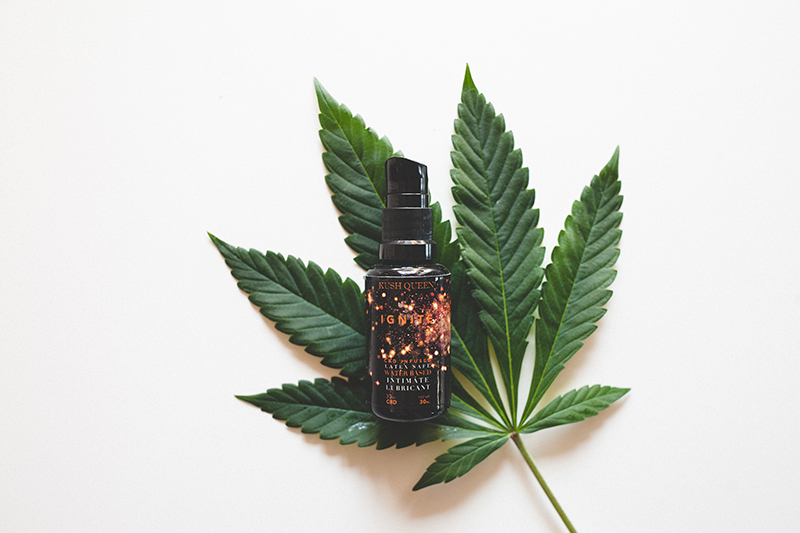
CBD Ignite Lubricant on top of green hemp leaf with white background.

It’s been a long journey since we formulated our first bath bomb and CBD has exploded on a national level. Some that use Kush Queen products have experience with the plant, others have never even tried a CBD product before. The two most important things at Kush Queen are the products and the people that use them. Being transparent is a part of that commitment, so I wanted to break down the entire process from soil to the time it arrives to your door. As the CEO of Kush Queen, I use our products daily. Its the daily exposure to cannabinoids that helps me achieve homeostasis in my body. Every ingredient is important to me because I use the products every single day.

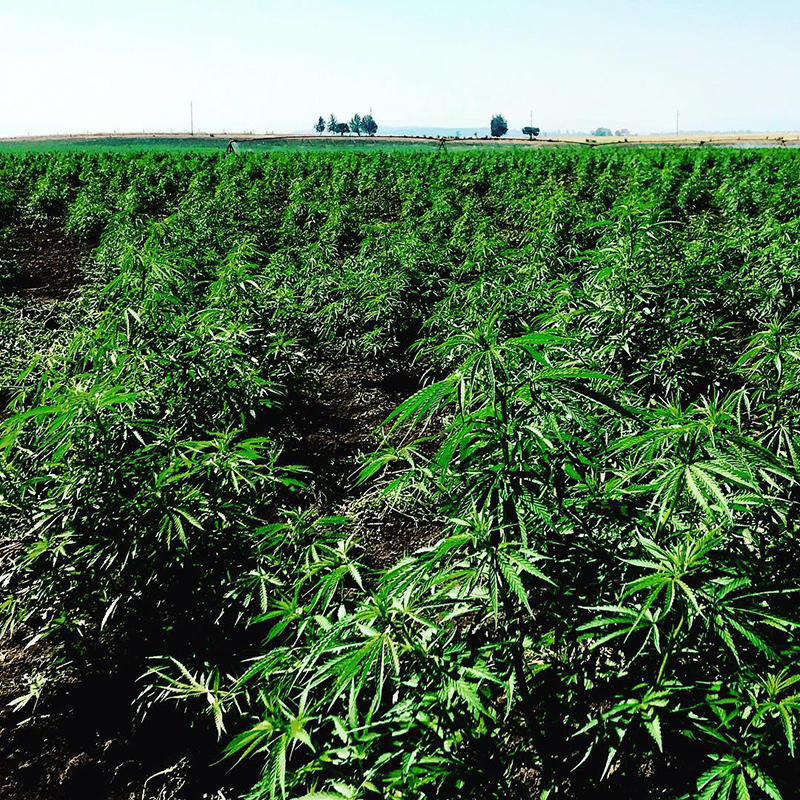
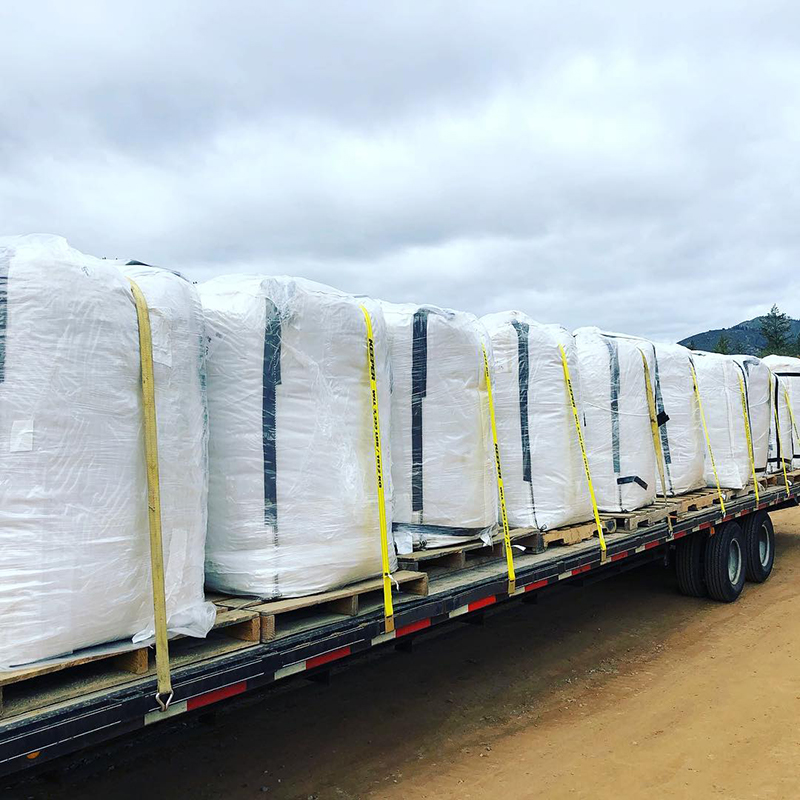
At Kush Queen, we make the products, but long before we compound our bath bombs and lotions our CBD has to be grown and extracted. The life of hemp begins with a seed. We source our hemp from Oregon, where the soil is rich with nutrients and the climate allows a full growing season. Some hemp in other parts of the country is grown on land where tobacco was previously grown (and sprayed with endless pesticides). The health of the soil, nutrients, and climate all matter. Once the seeds are planted, the plants then grow and flower, the entire process takes around six months (generally planting in late spring and harvesting in the fall). The way a farmer cares for its plants is important. Genetically modified nutrients and pesticides could be introduced to the plant if the farmer does not carefully follow natural or organic practices. Once the plant is fully grown, its time to harvest it.

Large field of hemp plants featured.

Once the hemp is harvested, it’s what we call ‘bio mass’. This is the part of the process where the hemp is extracted from the physical plant. There are a number of ways you can remove the desired active molecules from the harvested plant, which is known as extraction. Alcohol, CO2, butane, even just water or heat and pressure are known methods used in cannabis extraction. We only use hemp extract that has been processed to the point where it is absolutely free of any residual solvents or is extracted through solvent-free methods.

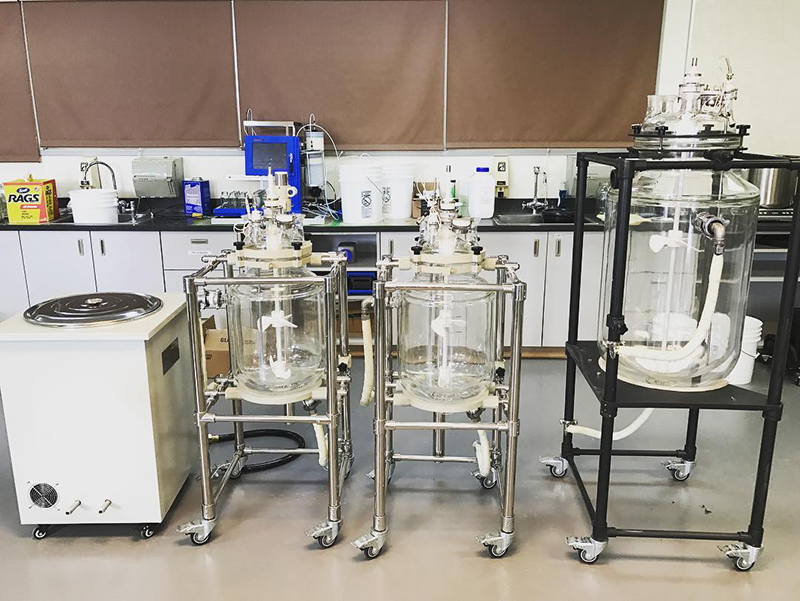
Once the oil is extracted it goes through a process called chromatography. This process separates the oil into different phases that contain different concentrations of molecules in order to create different types of finished extracts.

Here’s a gallery of the hemp processing:

CBD Process 006.jpgCBD Process 008.jpgCBD Process 009.jpgCBD Process 005.jpg

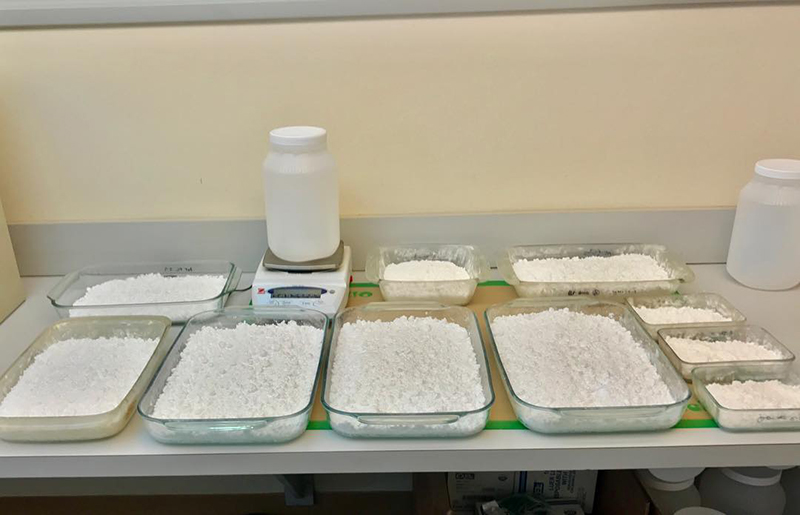
Once the hemp is processed into either finished oil or CBD isolate, it arrives at our Kush Queen facility. This is where it becomes the magical ingredient in our products. Some of our products contain CBD in its oil form while others are converted to our patent-pending water-based form. We use this water-based CBD because it allows it penetrate through the dermis of the skin and we don’t have to depend only on oil-based formulations. This way the CBD absorbs right into your bloodstream, so the bioavailability of the CBD is greatly improved.

Large jars of extracted CBD oil pictured.

Our team creates each product by hand, carefully weighing out each amount of CBD for our batch, so your products are accurately dosed. We combine it with other ingredients that we source with the same care as we do our CBD. Our production team compounds each product in our facilities, not just with care to the forumulas, but with the shared passion of the products that we all love and use daily.

Most of our products take, on average, 3-5 days to make; including compounding, drying, filling, labeling, packaging, lab testing, and quality control. At any given time, I will personally pull samples off the line and use them. I am looking for the same fizz in the bath bomb from our original batches of 12. I’ll use Melt to soothe my aches after a long day to make sure it is consistent in appearance, texture, and scent.

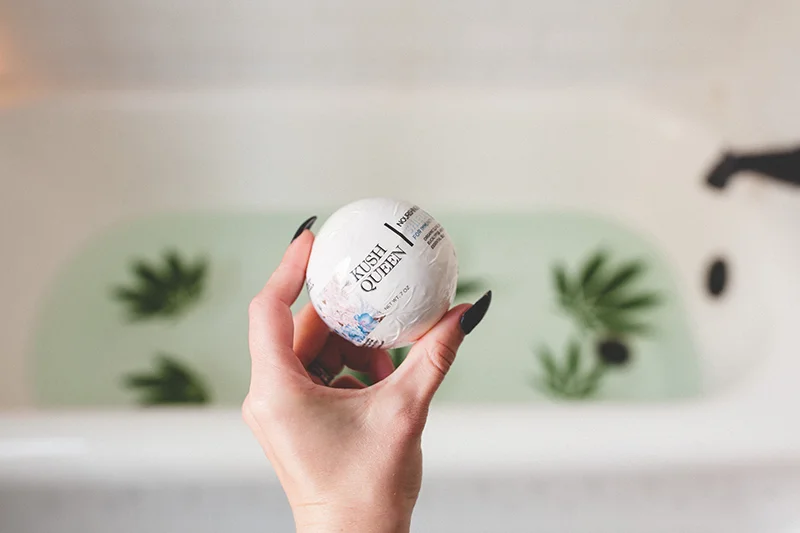
Model holding white Shield 100mg Immunity Bath Bomb in front of tub with clear water and floating hemp leaves.

Then our team ships them to your door or to one of our 750+ retail partners for you to enjoy. I hope this blog has given you some insight to how much work goes into your Kush Queen CBD products. Our brand is a labor of love and every product is a part of our journey and yours.


Don’t forget to follow and tag @kushqueenshop & @kushqueenco in your Instagram posts and Stories.

Ready to try some CBD products or restock your stash? Shop Kush Queen Below!

Shop CBD!

Key Takeaways:

  • CBN Comes From the Cannabis Plant: CBN is a naturally occurring cannabinoid that develops as THC ages and changes over time.
  • CBN Is Commonly Used in Nighttime Products: Many hemp wellness brands include CBN in evening formulas designed to support relaxing nighttime routines.
  • Quality and Consistency Matter With Hemp Products: Trusted brands focus on transparent testing, accurate cannabinoid servings, and carefully refined formulations.


CBN is a cannabinoid commonly associated with relaxation and nighttime wellness routines, and many adults use it as part of their approach to supporting healthy sleep cycles.

At Kush Queen, we’ve spent more than 10 years creating hemp products with a strong focus on consistency, transparency, and California-level testing standards, using carefully refined formulations and high-quality ingredients that reflect our experience in the cannabis wellness space.

In this piece, we’ll explore what CBN is, how it interacts with the body, and why it has become a popular addition to evening wellness rituals for adults looking to unwind at the end of the day.


What Is CBN And Why Is It Getting So Much Attention?

CBN, or cannabinol, is a naturally occurring cannabinoid found in the cannabis plant that develops as THC is exposed to heat, light, and oxygen over time. It’s considered one of the many minor cannabinoids in hemp, alongside compounds like CBD and CBG, and researchers continue to study how these cannabinoids interact with the body’s endocannabinoid system.

Interest in CBN has grown because many adults describe it as a calming addition to their nighttime wellness routines, especially in products designed for relaxation and evening support. As cannabinoid science continues to evolve, CBN has become a popular topic among people exploring more mindful ways to unwind at the end of the day.


Vegan & Lab-Tested Gummies


CBN Benefits That Fit Into A Modern Wellness Routine

Understanding what does CBN do can help explain why this cannabinoid has become such a popular addition to evening wellness products and calming self-care routines:


Supports Relaxation At The End Of The Day

CBN is commonly included in nighttime hemp products designed to support relaxation and help adults settle into a calmer mindset before bed. Its gentle reputation has made it especially popular in evening gummies, tinctures, and wellness blends.


Works Well Alongside Other Wellness Ingredients

Many CBN products combine cannabinoids with ingredients like CBD, melatonin, and botanical extracts to create a more balanced nighttime experience. These thoughtfully crafted formulas are often designed to fit naturally into bedtime routines and moments of self-care.


Offers An Approachable Experience For Newcomers

CBN products are available in easy-to-use formats that feel accessible for adults exploring hemp wellness for the first time. Gummies remain a favorite option because they offer consistent servings, enjoyable flavors, and a simple way to incorporate cannabinoids into everyday habits.


Why So Many People Use CBN For Sleep Support

CBN became connected to nighttime wellness after early cannabinoid research and consumer interest began focusing on its potential calming properties during the evening hours. While research is still ongoing, CBN is frequently included in sleep-focused hemp products designed to support more restful nighttime routines.

Another reason CBN continues to stand out is its common pairing with ingredients associated with bedtime rituals, such as herbal extracts and cannabinoids that complement relaxation-focused formulas. This combination has helped make CBN gummies and tinctures a popular part of wind-down habits for adults looking to feel more settled before bed.


Cannabis-Infused Products


Understanding CBN Effects And What People Commonly Notice

CBN is often described as having a more mellow and grounding feel compared to cannabinoids commonly associated with daytime use or noticeable cerebral effects. Because of this, it’s frequently included in evening formulas created for slower-paced nighttime routines and moments of relaxation before bed.

The experience with CBN can vary depending on factors like serving size, product formulation, and individual body chemistry. Some adults describe feeling more settled or physically comfortable after incorporating CBN into their nighttime habits, especially when paired with consistent sleep routines and mindful wellness practices.


CBN vs CBD: How They Compare In Everyday Use

Although CBN and CBD are both hemp-derived cannabinoids, they’re commonly used for different wellness experiences and lifestyle preferences.


CBD Is Often Used Throughout The Day

CBD is widely used in daytime wellness products because it’s commonly associated with balance, focus, and overall calm without an intoxicating experience. Many adults incorporate CBD into morning routines, post-workout habits, or everyday self-care practices.


CBN Is Commonly Associated With Nighttime Products

CBN is more frequently found in evening formulas created for nighttime routines and relaxation-focused moments later in the day. Its growing popularity in sleep-support products has helped it stand apart from cannabinoids designed for all-day use.


Product Formulas Can Feel Different

CBD products are often available as broad wellness blends, while CBN formulas are typically crafted with nighttime ingredients and calming flavor profiles. Gummies remain a popular option for both cannabinoids because they offer consistent servings and a convenient experience for adults new to hemp wellness.


Some Adults Use Both In Different Routines

CBD and CBN are sometimes used together as part of separate daytime and evening habits, depending on personal wellness goals and lifestyle preferences. Kush Queen cannabinoid formulations are developed with carefully selected ingredients, transparent testing practices, and quality standards shaped by more than 10 years in the cannabis wellness space.


Aromatic Bath Bombs


Final Thoughts

CBN has become a go-to cannabinoid for adults building more intentional nighttime routines, especially for relaxing and settling in before bed. As research around hemp wellness continues to grow, CBN products like gummies are giving people a simple, approachable way to add a little extra calm to the end of the day.


Frequently Asked Questions About What Does CBN Do

Is CBN naturally found in hemp plants?

Yes, CBN is a naturally occurring cannabinoid that develops naturally as cannabinoids age over time.


Does CBN have a strong cannabis taste?

Many CBN products use natural flavors and ingredients to deliver a smoother, more enjoyable taste.


Can beginners try CBN products?

Many adults new to hemp wellness start with low-serving CBN products as part of a gradual routine.


How long does it take for CBN gummies to kick in?

The timing can vary depending on metabolism, serving size, and the product formulation.


Can CBN be combined with other cannabinoids?

Yes, CBN is often blended with cannabinoids like CBD and THC in hemp wellness products.


Are CBN products tested for quality?

Trusted hemp brands typically provide third-party lab testing for cannabinoid content and consistency.


Can CBN products be part of a nightly routine?

Many adults include CBN products in their evening habits alongside other relaxing nighttime activities.


Are hemp-derived CBN products federally legal?

Hemp-derived CBN products are federally legal when they meet the guidelines established by the 2018 Farm Bill.


How should CBN gummies be stored?

CBN gummies should be stored in a cool, dry place away from heat and direct sunlight.


Can CBN products be used while traveling?

Travel regulations for hemp products vary, so it’s important to check local laws before bringing them on a trip.

Key Takeaways:

  • Potency and Experience Differences: Delta 9 tends to feel stronger and more immediate, while Delta 8 offers a smoother and more controlled experience. The right choice depends on your comfort level and desired intensity.
  • Product Quality and Consistency Matter: Well-formulated products with accurate dosing create a more predictable experience. Brands with long-term expertise and strict testing standards help maintain that consistency.
  • Legality Varies by Location: Federal and state laws treat these cannabinoids differently, which affects availability. Staying informed helps you make safe and compliant decisions.


Trying to figure out the real difference between Delta 8 and Delta 9 can feel like comparing two drinks that look the same but hit completely differently. The names are nearly identical, yet the experiences they create in your body and mind can vary more than you might expect. That gap in understanding often leads to confusion, especially when products are labeled in ways that don’t fully explain what you’re getting.

At Kush Queen, we’ve spent over a decade developing cannabis and hemp products under California’s strict compliance and testing standards. That experience shapes how we approach formulation, with a strong focus on dosing accuracy, consistency, and real-world results. Our formulas have been refined since 2016, giving us a deep understanding of how cannabinoids behave across different formats and strengths.

In this piece, we break down Delta 8 vs Delta 9, covering effects, legal status, potency, and how each option fits into your lifestyle.


Delta 8 Vs Delta 9 Effects: What You Actually Feel

The way a cannabinoid feels can shape your entire experience, from your mood to how your body settles in. Small differences in chemistry can lead to noticeable shifts in energy, clarity, and intensity. Here’s a closer look at how each one tends to show up:


The Delta 9 Experience: Stronger, Faster, More Intense

Delta 9 typically brings a more pronounced head high that you can feel fairly quickly, especially with inhaled products. Many people notice a boost in euphoria, heightened senses, and a shift in perception that can feel exciting or overwhelming depending on the dose. It can also come with heavier body effects, which some enjoy for relaxation, while others may find it a bit too intense.


The Delta 8 Experience: Smoother And More Balanced

Delta 8 leans toward a gentler, more easygoing effect that builds without hitting too hard all at once. The mental side often feels clearer, making it easier to stay present and functional while still enjoying a noticeable mood lift. Physically, it tends to settle into a calm, relaxed state without the same level of heaviness that stronger THC can bring.


Mental Clarity And Mood Differences

One of the biggest contrasts people notice is how each option affects their headspace. Delta 9 can sometimes create racing thoughts or mental fog at higher doses, while Delta 8 is often described as more grounded and steady. This difference plays a big role in choosing what fits your comfort level and daily routine.


Body Feel And Physical Sensations

Both cannabinoids interact with the body, but the intensity can vary quite a bit. Delta 9 may feel heavier, sometimes leading to that classic “couch-locked” sensation people talk about. Delta 8 usually offers a lighter body feel, with relaxation that doesn’t completely slow you down.


Premium-Quality Gummies


Is Delta 8 Stronger Than Delta 9? Potency Explained Simply

Potency is one of the biggest factors people think about before trying any THC product. The intensity of the experience can shape everything from how relaxed you feel to how functional you stay. Whether you’re exploring an extra strength Delta 8 series for a more noticeable yet manageable effect or considering some of the strongest Delta 9 gummies for a more pronounced experience, understanding potency is key. To really see how strength plays out, it helps to look at how each compound interacts with your body:


How Potency Is Measured

Potency usually comes down to how strongly a cannabinoid binds to receptors in your body. Delta 9 has a tighter connection to those receptors, which is why the effects tend to feel more pronounced. Delta 8 interacts a bit more lightly, leading to a less intense overall experience.


Why Delta 9 Feels Stronger

Delta 9 often delivers a more noticeable shift in both mind and body, even at lower doses. This is why Delta 9 gummies are a popular choice for those seeking a more defined and immersive experience. The effects can come on quickly and feel more pronounced, which is part of their appeal for experienced users. That same intensity can feel like too much for some people, especially in higher amounts.


Where Delta 8 Stands In Comparison

Delta 8 is generally considered milder, offering a more gradual and manageable build. The effects still show up clearly, but they tend to feel more controlled and less overwhelming. Many people appreciate this balance, especially when they want to stay engaged with their surroundings.


Delta 8 Or Delta 9: Which One Fits Your Vibe And Lifestyle?

Choosing between different THC options often comes down to how you want to feel and what your day looks like. Your routine, comfort level, and personal preferences all play a role in shaping that decision. Finding the right fit becomes easier when you look at how each option aligns with your lifestyle:


For Social Settings And Creative Moments

Some people enjoy a more noticeable shift in mood when they’re out with friends or tapping into something creative. Delta 9 can bring a heightened sense of awareness and energy, making music, conversation, and ideas feel more immersive. It tends to suit moments where you want to lean into the experience and feel a stronger mental lift.


For Everyday Balance And Functionality

Delta 8 is often the go-to for those who want to stay present and keep things moving throughout the day. The effects feel more subtle, which can make it easier to handle daily tasks without feeling pulled too far out of your normal rhythm. It’s a comfortable option for easing into cannabis without feeling like your whole day shifts direction.


For Relaxation And Winding Down

Both options can support relaxation, but the way they settle in can feel different depending on what you need. Delta 9 may offer a deeper sense of physical release, which works well for evenings when you’re ready to fully unplug. Delta 8 offers a lighter wind-down, helping take the edge off while still allowing you to stay aware and at ease.


For New And Returning Users

Stepping into cannabis or coming back after a break can feel like a learning curve. Delta 8 tends to feel more approachable, giving people space to understand how their body responds without too much intensity all at once. With well-crafted products that focus on consistent dosing and careful formulation, the experience becomes easier to navigate and more predictable.


Cannabis-Infused Items


Delta 8 Vs Delta 9 Gummies: What To Expect From Edibles

Edibles bring a different kind of experience compared to other formats, mainly because of how your body processes them. The onset, intensity, and duration can all feel more drawn out and layered. Getting familiar with how gummies work can help you settle into the experience more comfortably:


How Edibles Are Absorbed In The Body

Gummies go through your digestive system before entering your bloodstream, which changes how the effects show up. This process takes longer to kick in, but it often leads to a more sustained and full-body experience. The delayed onset can catch people off guard if they expect the same timing as inhaled products.


Onset Time And Duration

Most people start to feel gummies anywhere from 30 minutes to a couple of hours after taking them. Once they settle in, the effects can last several hours, making them a better fit for slower-paced plans. That longer duration is part of what makes edibles feel more immersive compared to quicker methods.


Flavor, Texture, And Overall Experience

A well-made gummy should feel like a treat, not something you have to tolerate. Kush Queen’s gummies are handcrafted in small batches using traditional Italian candy-making techniques, which gives them a smooth texture and a more refined bite. Each piece is coated with a balanced sweet and sour finish, and the flavors come from natural fruit and vegetable sources, making them genuinely enjoyable to eat.


Consistency And Dosing You Can Trust

With edibles, consistency matters because even small differences in dosing can shift the experience. That’s where long-term formulation and strict testing standards come into play, helping ensure each gummy delivers what you expect. A formula that has been refined over the years brings a level of reliability that newer products often struggle to match.


Legal Breakdown: Difference Between Delta 8 And Delta 9 Across The U.S.

The legal side of cannabis can feel confusing, especially with rules that shift depending on where you are. Laws are shaped by both federal guidelines and individual state decisions, which creates a patchwork of regulations. Understanding how legality works helps you stay informed and make smarter choices:


Federal Law And The Role Of Hemp

Federal law draws a clear line based on how much Delta 9 THC a product contains. Hemp-derived products are legal as long as they stay under the 0.3 percent Delta 9 THC limit by dry weight. This is the reason many Delta 8 products are sold at the federal level, since they are typically derived from hemp.


State-By-State Differences

Each state has the authority to set its own rules, which leads to a wide range of regulations across the country. Some states allow both Delta 8 and Delta 9, while others restrict or ban one or both entirely. This means availability can change depending on where you live or travel.


Why Delta 8 Laws Can Be Unclear

Delta 8 exists in a gray area in many places because it is derived from hemp, but still produces psychoactive effects. Some states have moved to regulate or restrict it due to safety and manufacturing concerns. This ongoing shift makes it important to check current local laws before purchasing or using these products.


The Importance Of Compliance And Testing

Legal status is closely tied to how products are made, labeled, and tested. Brands with deep experience in California’s regulated market tend to follow stricter standards for quality and transparency. This level of oversight supports accurate labeling, consistent dosing, and products that comply with legal requirements.


Curated Bundles For You


Final Thoughts

In the end, the difference between Delta 8 vs Delta 9 comes down to how much intensity you’re looking for and how each fits into your daily rhythm. Delta 9 delivers a stronger, more immersive experience, while Delta 8 offers a smoother, more controlled feel that many find easier to manage. Beyond effects, factors like legality, dosing consistency, and product quality play a major role in making a confident choice. Understanding these key differences helps you move forward with clarity, so you can select the option that aligns best with your preferences, comfort level, and lifestyle. Whether you prefer delta-8 or delta-9, our THC Gummies collection has an option for every preference.


Frequently Asked Questions About Delta 8 vs Delta 9

Does Delta 8 show up on a drug test the same way as Delta 9?

Yes, most standard drug tests are designed to detect THC metabolites, not the specific type. That means Delta 8 can still trigger a positive result similar to Delta 9.


How long do the effects of Delta 8 and Delta 9 typically last?

The duration depends on the format, but effects can last several hours, especially with edibles. Delta 9 may feel more intense upfront, while Delta 8 can feel more gradual over time.


Are Delta 8 products safe to use regularly?

Safety often comes down to product quality, accurate dosing, and how your body responds. Choosing well-tested products from experienced brands helps reduce the risk of inconsistency.


Can you build a tolerance to Delta 8 or Delta 9?

Yes, regular use can increase your tolerance to both cannabinoids. Over time, you may need higher doses to feel the same effects.


Are there differences in how Delta 8 and Delta 9 are sourced?

Delta 9 is naturally abundant in cannabis, while Delta 8 is typically derived from hemp through a conversion process. This difference in sourcing can impact how products are made and regulated.


Is there a difference in how long Delta 8 and Delta 9 stay in your system?

Both cannabinoids can stay in your system for several days or longer, depending on the frequency of use. Factors like metabolism and body composition also play a role.


Are Delta 8 and Delta 9 legal for travel?

Travel rules depend on both your departure and destination locations. Carrying products across state lines can be risky if laws differ between those areas.


How should beginners choose between Delta 8 and Delta 9 products?

Starting with a lower dose and a milder option can help you understand your tolerance. Gradually adjusting based on how you feel makes the experience easier to manage.


Are there different storage requirements for Delta 8 and Delta 9 products?

Both should be kept in a cool, dry place away from direct sunlight to maintain quality. Proper storage helps preserve potency and flavor over time.


Do Delta 8 and Delta 9 products expire?

Yes, cannabinoids can degrade over time, which may reduce effectiveness. Checking expiration dates and storing products properly helps maintain their intended experience.