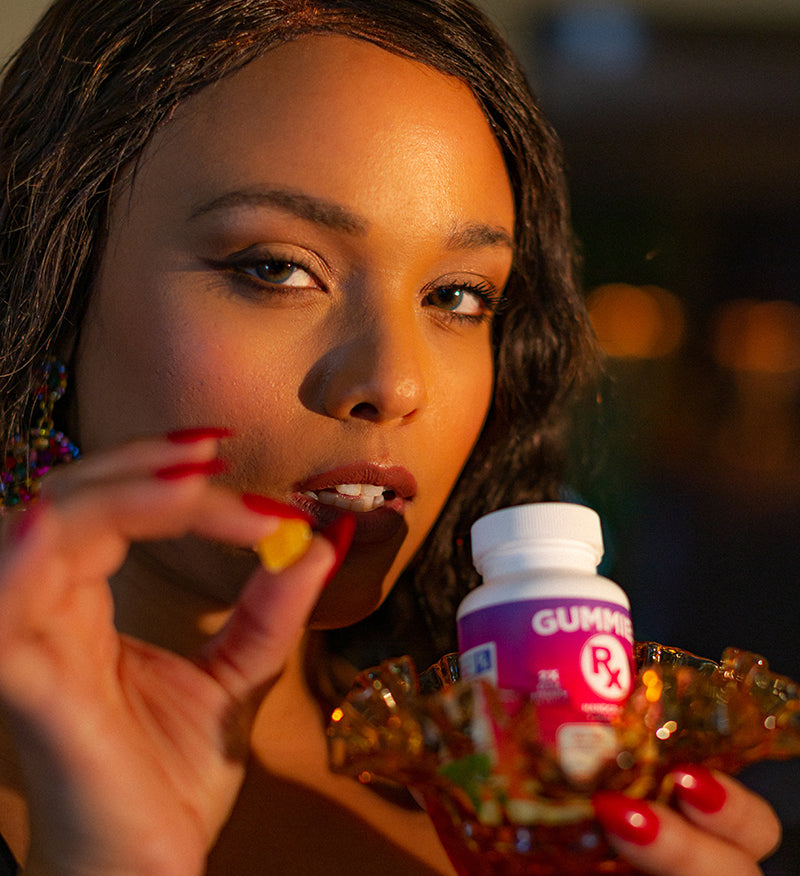
Choosing between liquid THC, gummies, and flower isn't as simple as picking a favorite flavor. Each format comes with its own pace, privacy level, and dose experience, and the one that works best really depends on how your day actually runs. This guide breaks down the real-world differences so you can find your fit without the guesswork.

Liquid THC vs Gummies vs Flower: What’s Actually Different?

Not all cannabis formats are created equal, and if you've ever stared at a dispensary menu feeling genuinely lost, you're in good company. The choice between liquid THC, gummies, and flower isn't just about taste or habit. It's about how your day actually runs.

Here's what each one really is. Flower is the classic: dried cannabis you smoke or vaporize. It hits fast and gives you a lot of control in the moment, but it also comes with smoke, smell, and a bit of a learning curve if you're newer to the category. Gummies are the pre-dosed, grab-and-go option. They're discreet and easy to use, though they take longer to kick in and can be harder to course-correct once you've already taken one. Liquid THC lands somewhere between the two. Whether it comes as a THC tincture you take on its own, a ready-to-drink THC beverage, or a liquid THC drink you mix into your water or morning smoothie, it's a smoke-free format that tends to absorb faster than a standard edible and gives you a little more room to adjust your dose as you go.

This comparison is for anyone who's curious about switching things up, trying cannabis for the first time, or just wondering whether there's a format that fits their life a little better. The goal isn't to hand you a verdict. It's to help you think through what actually matters: your pace, your privacy, how comfortable you are with dosing, and how much effort you want to put in.

Format shapes the whole experience. Let's get into it.

How Fast Do They Kick In? Comparing Onset Time and Duration

Timing matters more than most people think. If you want something that comes on before the night really gets going, your best fit may look very different from someone who wants a slower, longer ride. That’s where comparing liquid THC, gummies, and flower gets useful fast.

Format Onset Time Duration
Liquid THC (THC beverage / drink) 15–45 minutes 2–4 hours, varies by dose
THC Tincture (sublingual) 15–30 minutes 2–4 hours, varies by use
Gummies (THC edibles) 30–90 minutes 4–8 hours, varies by metabolism
Flower 5–15 minutes 1–3 hours, tapers relatively quickly

A few practical takeaways:

  • Liquid THC drinks and tinctures tend to sit in the sweet spot: usually faster than traditional THC edibles, but with a smoother, longer window than flower.
  • THC tincture can feel quicker when held under the tongue because some of the cannabinoids may absorb through oral tissues before the rest is swallowed and processed through digestion.
  • Gummies usually take the longest to show up, but they also tend to last the longest. That can be great for a long evening, less great if you want something more flexible.
  • Flower is still the fastest option for most people, but it also fades sooner, which makes it better for in-the-moment use than all-night planning.

In real life, this is often the tradeoff: speed versus staying power. If you want something smoke-free that doesn’t take quite as long as standard gummies, a liquid THC drink or tincture can make a lot of sense. And if you like the edible format but want less waiting around, fast-acting THC gummies are a helpful middle-ground option to explore.

Which Format Is Easiest to Keep Low-Key?

If staying low-key is part of the plan, flower is usually the hardest format to keep private. It has the most noticeable smell, needs the most setup, and tends to be the least convenient in shared spaces or while you’re out and about. Gummies and liquid THC are generally much easier to fold into daily life without calling attention to themselves.

Factor Liquid THC (Tincture or Drink) Gummies Flower
Smell None None High
Portability High High Low to Medium
Visual Discretion High High Low
Ease of Use On the Go High High Low

When you compare gummies vs flower, the privacy gap is pretty obvious. The more interesting comparison is gummies versus liquid THC. Gummies are simple, compact, and easy to carry. A THC tincture or liquid THC drink can feel even more discreet in certain moments because it fits into habits people already have, like adding a few drops to a beverage or sipping a THC beverage that just looks like part of your day.

Here’s where that difference shows up most:

  • Travel days: Gummies are often the easiest edible to pack and keep organized. If flying is part of the equation, this guide to taking THC gummies on a plane is a helpful place to start.
  • Work breaks or busy routines: Liquid THC can be especially subtle since there’s no smoke, no smell, and no obvious pause to chew or unwrap anything.
  • Shared apartments: Both gummies and liquid THC avoid the lingering scent flower can leave on clothes, furniture, or in the hallway.
  • Social settings: A liquid THC drink often blends in most naturally if you’d rather keep your cannabis use personal.

Flower still has its fans, but for pure discretion, liquid THC and THC edibles usually make everyday life easier.

How Much Control Do You Want Over Your Dose?

Dosing is personal, and the format you choose shapes how much say you actually have over the experience. Want to hit the same note every session? Need the freedom to ease in slowly and adjust as you go? Each format has a different answer.

Format Dose Consistency Adjustability
Liquid THC High — measurable by the drop High — easy to micro-adjust
Gummies High — fixed per piece Low — limited to splitting pieces
Flower Variable Low — hard to standardize

Here's where liquid THC earns its edge:

  • According to New Jersey's Cannabis Regulatory Commission, a tincture is a liquid THC or CBD substance for oral or sublingual ingestion — and that format makes precise measurement genuinely easy.
  • A liquid THC drink or THC tincture lets you start small and build from there, without committing to a fixed dose before you even know how you're feeling that day.
  • Unlike THC edibles portioned by the manufacturer, liquid formats let you tailor your serving to the moment rather than the other way around.
  • That flexibility makes liquid THC a solid choice for newer consumers and experienced ones alike — anyone who wants to find their sweet spot on their own terms.

Flower sits at the opposite end of that spectrum. Potency can shift depending on the strain, how it's consumed, and how it's been stored, which makes a consistent, repeatable experience genuinely difficult to nail down.

If you'd rather skip the math entirely, microdose THC gummies offer the same reliable dose every time — no measuring, no guesswork, just a clean starting point.

Flavor, Experience, and Lifestyle Fit: Which One Feels Right for You?

The best format really does come down to you: your palate, your pace, and how you want THC to show up in your daily life. There's no universally right answer, just the one that fits your routine without friction.

Format Flavor Profile Ritual Feel Convenience Level Best For
Liquid THC Clean, mild, mixable Minimal, low-key Very high On-the-go users, wellness routines
Gummies Sweet, fruity, consistent Simple and familiar High Casual users, discreet snackers
Flower Herbal, complex, strain-specific Hands-on, immersive Moderate Social smokers, experience-first users

If liquid THC is catching your attention, here's why it tends to resonate with lifestyle-conscious users:

  • Clean flavor, no trade-offs. A liquid THC drink stirs easily into water, juice, or whatever you're already sipping, with no harsh aftertaste or smoke to work around.
  • No prep, no cleanup. There's nothing to grind, roll, or pack away. You dose and get on with your day.
  • Built for real routines. Kush Queen's liquid THC products are designed for exactly this kind of ease: a ready-to-use format that has the precision of a THC tincture but feels right at home in a modern, smoke-free lifestyle.

That said, every format has something genuinely worth considering. Gummies offer familiarity and portability. Flower delivers a sensory experience that some people find irreplaceable. Knowing the real tradeoffs between THC edibles, flower, and liquid makes it easier to land on what actually works for you. If you want to explore more than one option before committing, a curated THC edibles bundle is a low-pressure way to find your fit.

So Which Format Should You Choose?

There's no wrong answer here, just different ones depending on what you're actually after.

If you want something that slides easily into a social setting or pairs well with a drink order, liquid THC is worth a serious look. A THC beverage or tincture gives you precise dosing, a faster onset than most edibles, and nothing to smoke or hide. It's a genuinely modern format built for people who want flexibility without the ritual.

If you're newer to cannabis or just want something portable, consistent, and easy to portion, gummies are hard to beat. They're simple, familiar, and low-maintenance enough to work into almost any routine. Not sure where to start? Our best THC gummies for beginners guide takes the guesswork out of it.

If the full experience matters to you, including the sensory side and the whole ritual around it, flower still makes a strong case. The tradeoffs are real, but for some people, that's exactly the appeal.

The quickest way to narrow it down: think about where and when you use cannabis most often, then work backward from there. The format that fits your actual life is the one that'll feel effortless by the second week. Start with what makes sense now, and branch out when you're ready.

Frequently Asked Questions

Will liquid THC get you high?

Yes, liquid THC can produce the classic THC experience. In practice, it’s a smoke-free format that often lands between flower and gummies: typically faster than standard edibles, easier to dose gradually, and simple to work into a routine as a tincture, ready-to-drink beverage, or mix-in.

What is a liquid THC called?

Liquid THC is commonly sold as a tincture, a ready-to-drink THC beverage, or a liquid THC drink you mix into another beverage. The format matters a bit, since tinctures are often measured by the drop, while drinks are usually sipped more like a standard edible experience.

Is liquid THC stronger than edibles?

Not necessarily. The bigger difference is usually speed and flexibility, not automatic strength. Liquid THC tends to absorb faster than standard gummies and can be easier to adjust in small increments, while traditional edibles often take longer to kick in and may last longer overall.

Finding the right THC gummy dosage doesn't have to feel like a guessing game. This guide walks you through how to read labels, what affects how a gummy feels, and how to start low and adjust with confidence. Whether you're brand new to edibles or just trying to build a more consistent routine, you'll leave with a clear framework you can actually use.

THC Gummy Dosage Basics: What the Numbers Actually Mean

When you pick up a THC gummy, that number on the label is telling you something important. It just helps to know how to read it.

THC gummy dosage is measured in milligrams (mg). That number tells you how much THC is in each piece — or sometimes per serving, which isn't always the same thing. A gummy labeled 20mg might actually contain two 10mg servings. Always check both figures before you dive in, because that distinction matters more than most people realize.

Here's where it gets interesting. The same milligram amount can feel completely different from one person to the next. A 5mg gummy might be a mellow, pleasant experience for one person and feel surprisingly strong for someone else. Body weight plays a role, but so does metabolism, tolerance, how recently you ate, and how often you use cannabis. There's no universal "right" number, which is actually pretty freeing once you lean into it.

A simple framework to keep in mind:

  • 1–2.5mg — Microdose territory; a smart starting point for first-timers or anyone who tends to be sensitive
  • 5mg — Widely considered a standard beginner dose
  • 10mg — A moderate dose that many regular users find comfortable
  • 20mg+ — Generally better suited to people with established tolerance

"Start low, go slow" gets repeated a lot in cannabis circles, and honestly, it earns that reputation. THC edibles take longer to kick in than other formats — anywhere from 30 minutes to two hours, depending on your digestion. Taking more before your first dose has had a chance to work is the most common way people end up in uncomfortable territory.

If you're just getting started, browsing Kush Queen's THC gummies is a good way to see what lower-dose options actually look like in practice. Understanding what those milligrams mean is the first step to picking something that genuinely fits you.

How to Choose a Starting Dose Based on Your Experience

Knowing where to start with THC gummy dosage is genuinely the most important part of the whole experience. Everyone responds differently based on things like metabolism, tolerance, and even how recently you ate, so there's no single right answer. What feels perfect for a friend might feel like too much, or not enough, for you. That's exactly why matching your starting dose to your own experience level is worth the extra thought.

THC Gummy Effects by Dose: A Simple Starting Point

Experience Level Recommended Starting Dose Expected Effects
First-time or no tolerance 1–2.5mg Mild relaxation, subtle mood lift, very manageable
Low tolerance / occasional use 2.5–5mg Gentle euphoria, light body ease, easy to enjoy
Moderate tolerance / regular use 5–10mg Noticeable effects, deeper relaxation, stronger mood shift
Experienced users 10mg+ Strong effects, best suited for those who know their response well

Key Tip: The Wait Is Part of the Process

If you're new to edibles, this is the one thing worth knowing before anything else: THC gummies don't hit like smoking or vaping. Because they're processed through your digestive system, onset can take anywhere from 45 minutes to 2 hours depending on your metabolism and what you've eaten that day. That range is wider than most people expect, and it's where a lot of beginner THC edible dosage mistakes happen. Wait at least 90 to 120 minutes before thinking about taking more. Seriously, the waiting is the whole strategy.


Most uncomfortable experiences with edibles come down to one thing: not giving the first dose enough time. The fix is simple, and it works every time: start lower than you think you need to, and go slower than feels necessary. If you want a gentle, controlled entry point with real room to adjust, microdose THC gummies are a smart place to begin. Small doses give you the flexibility to find what actually works for you, without locking yourself into something that's hard to walk back.

What Can Change How a THC Gummy Feels

The truth about THC gummy dosage is that milligrams alone don't tell the whole story. The same 5mg gummy can feel mild one evening and noticeably stronger the next, and that shift often has nothing to do with the product itself. Getting familiar with what's actually driving those differences puts you in a much better position to adjust with confidence.

Tolerance level: Regular cannabis users typically need more to feel the same effects as someone newer to edibles. If you've taken a break recently, expect some reset, even a partial one.

Food intake: A full meal before your gummy slows absorption and softens the onset. On an empty stomach, effects can arrive faster and feel more intense. This is one of the most common reasons beginners feel caught off guard.

Body weight and metabolism: A faster metabolism processes THC more quickly, which can affect both how soon effects kick in and how long they stick around.

Hydration: Being dehydrated can amplify certain effects. Staying hydrated is a simple, easy-to-overlook way to keep your experience more consistent.

Fatigue or stress: When you're tired or running on adrenaline, your body tends to respond more intensely. A dose that feels balanced on a calm day can feel like too much after a rough one.

Frequency of use: The more regularly you consume, the more your baseline shifts. Even a few days off can meaningfully change how a familiar dose lands.

Worth knowing on the food timing front: A gummy taken on an empty stomach can kick in within 30 minutes. After a big meal, that same gummy might take 90 minutes or more. If you've ever wondered why timing feels inconsistent, this is usually the culprit.

All of these variables fluctuate day to day, which is why THC gummy effects can feel different even for experienced users. For a deeper look at how your body processes and clears THC over time, the guide on how long THC gummies stay in your system is a worthwhile next read.

How to Titrate Your Dose Without Overdoing It

Titration is just a fancy word for adjusting your THC gummy dosage gradually until you find what genuinely works for you, rather than guessing and crossing your fingers. If you've been wondering how much THC gummy you should take, the honest answer is: less than you think, and slower than feels necessary. A methodical approach removes the guesswork and gives you something you can actually repeat.

  1. Start at 2.5–5mg. This is the right entry point for most people, especially if you're new to edibles or returning after a long break. A lower dose lets your body acclimate without throwing you off.
  2. Wait the full window before you decide anything. Edibles take longer to kick in than most people expect. How long do THC gummies take to kick in? Anywhere from 45 minutes to 2 hours, depending on your metabolism, what you've eaten, and a few other factors. Set a timer for at least 90–120 minutes and don't reassess until it goes off.
  3. Increase in small increments only. When you're ready to go up, move by 1.25–2.5mg at a time. Small steps keep you in the driver's seat.
  4. Space out your sessions. Give yourself at least 3–5 sessions at the same dose before moving up. One experience isn't enough data.
  5. Log what happens. After each session, note your dose, timing, what you ate beforehand, and how you felt. A notes app is fine. Patterns will start to emerge faster than you'd think.
  6. Change one thing at a time. Don't increase your dose and try a new gummy in the same session. Keep the variables consistent so your notes actually mean something.

Quick tip: Wait a full 24 hours after any session before increasing your dose. Two hours tells you how it felt. Twenty-four hours tells you how you recovered.

This kind of pacing is what makes beginner THC edible dosage feel manageable instead of stressful. You're not holding yourself back, you're building a foundation that makes every future session more predictable and more enjoyable. That's a much better outcome than taking too much and swearing off gummies entirely.

If you haven't settled on a product yet, check out our guide to the best THC gummies for beginners before you start the titration process.

Reading Labels and Picking the Right Gummy Strength

Getting your THC gummy dosage right starts before the gummy even hits your mouth. It starts the moment you flip the bag over and read the label.

One of the most common reasons people accidentally take too much is misreading total package THC as the per-piece amount. A bag that says "100mg THC" with ten gummies inside contains 10mg per piece, not 100mg per piece. That distinction matters more than you might think.

Common Gummy Strengths at a Glance

Dose Per Piece Best For Expected Effects
2.5mg Beginners, microdosers Subtle relaxation, mild mood lift
5mg New to occasional users Gentle body ease, light mental shift
10mg Intermediate users Noticeable effects, deeper relaxation
25mg Experienced users only Strong effects, not recommended without tolerance

Label-reading tips worth bookmarking:

  • Check the serving size and how many servings are in the package
  • Confirm THC content is listed per piece, not per package total
  • Look for a certificate of analysis or third-party lab testing notation
  • Verify whether you're buying delta-9 or delta-8 THC, since the experiences can differ meaningfully
  • Note any CBD in the formula, which can soften the overall effect

Quick tip for new users: Start at 5mg or below, then wait at least 90 minutes before considering more. Patience genuinely works better than a second gummy.

Once you know what you're looking for, shopping gets a lot easier. Kush Queen keeps things simple with clearly labeled, consistently dosed gummies that take the guesswork out of the process. If 10mg feels like the right place to start, Kush Queen 10mg THC Gummies are a reliable option for building a more predictable routine.

A Simple Way to Build Your Best THC Gummy Routine

Getting your THC gummy dosage dialed in isn't about finding the perfect answer on day one. It's about building a simple, repeatable process you can actually trust over time.

Start low, somewhere in the 2.5mg to 5mg range, and treat your first session as a baseline rather than a target experience. Take your gummy, note the time, and resist the urge to draw any conclusions for at least two hours. Edibles move at their own pace, and that patience will save you a lot of second-guessing.

Once that window has passed, take a few quick mental notes. When did you start feeling something? Was the effect subtle, about right, or stronger than expected? This doesn't need to be a formal journal entry, just enough to give yourself a reference point for next time.

From there, adjust in small steps, no more than 2.5mg at a time, keeping everything else as consistent as you can. Same conditions, same wait time, same check-in afterward. After a few sessions, your ideal dose tends to come into focus pretty naturally.

Most people land on their sweet spot within a handful of tries when they slow down and stay curious instead of impatient. There's no rush, and small adjustments almost always get you further than big ones.

When you're ready to start experimenting, browsing our best THC gummies is a solid first move. Knowing what strengths and formats are available makes it a lot easier to put everything you've learned here into practice.

Shopping for edibles online sounds simple until you realize how many ways it can go sideways, from sketchy retailers to vague labels to products that ship nowhere near you. This guide cuts through the noise so you can buy edibles online with a clear sense of what's legal, what's worth your money, and what actually belongs in your cart. By the end, you'll have a practical framework for reading labels, comparing prices, spotting legit stores, and picking the right format and potency for you.

What “buy edibles online” actually means—and how to do it legally

When you set out to buy edibles online, the first thing worth knowing is that "online edibles" isn't one single category. It's actually two pretty different markets, and where you live determines which one is available to you.

The first is hemp-derived edibles, typically made with CBD, CBN, or hemp-derived delta-9 THC. These are federally legal under the 2018 Farm Bill, provided the product contains no more than 0.3% delta-9 THC by dry weight. You can order them online and have them shipped to most U.S. states. The second is state-legal cannabis edibles, sold through licensed dispensaries in states where adult-use or medical cannabis is legal. These can only be purchased in-state, either in person or through a licensed cannabis delivery service where that's allowed.

So before you go searching for the best edibles online, it helps to get clear on one thing: are you looking for hemp-derived products you can order to your door, or state-legal cannabis products available near you? The answer shapes everything from which retailers are relevant to how your order actually arrives.

Once you've sorted that out, three things should guide every purchase. First, confirm the retailer is licensed or operates within a compliant framework. Second, look for third-party lab testing, specifically a Certificate of Analysis (COA) that verifies potency and screens for contaminants. Third, check whether the brand ships to your state, since restrictions vary even for hemp products.

If you want a closer look at navigating the legal THC edibles landscape, this guide on where to buy legal THC gummies is a great place to continue.

How to tell if an online edibles store is legit

A good-looking website can make almost anything seem credible, and that's exactly the problem. When you're shopping for legal THC edibles online, design has nothing to do with legitimacy. The retailers worth trusting show it in the details, not the aesthetic.

Here's what to actually look for before you hit checkout:

  • Verified business address and contact info. A real company has a real location and a way to reach them. If the "Contact" page is just a form with no phone number or address in sight, keep moving.
  • Mandatory age-gate on entry. Any compliant retailer selling cannabis or hemp-derived products will stop you at the door to confirm your age. No gate means no accountability.
  • Accessible third-party lab results (COAs). Certificates of Analysis should be easy to find, current, and linked directly to the product you're looking at. Not buried in a FAQ. Not missing entirely.
  • Full ingredient and allergen disclosure. You deserve to know exactly what you're eating. Vague ingredient lists aren't just annoying, they're a sign to scroll right past.
  • Compliant product claims. Legitimate brands stick to structure-function language. If a product page promises to cure or treat anything, that's your cue to leave.
  • Clear shipping and return policies. Reputable shops are upfront about how they ship, what they charge, and what happens if something goes sideways.

Quick tip: No COA on a product page is an immediate red flag. Third-party lab testing isn't a bonus feature for safe cannabis edibles delivery. It's the baseline.

Once you know what to look for, it gets a lot easier to tell the trustworthy shops from the sketchy ones. Buy edibles online with this checklist in hand and you're already ahead of most shoppers.

Choosing the right edible format, strength, and flavor for your vibe

When you buy edibles online, the biggest choice usually is not the brand. It’s the format that fits your comfort level, routine, and taste. A good product on paper can still be the wrong pick if you do not actually enjoy taking it.

Common edible formats you’ll see online:

  • Gummies: Popular because they’re pre-dosed, portable, and easy to portion. If you want something simple and consistent, this is often the easiest place to start.
  • Chocolates: A nice option if you prefer a more treat-like format. Depending on the recipe and what you’ve eaten that day, the experience may feel different from a fruit chew or gummy.
  • Chews: Similar to gummies, but often softer, denser, or more fruit-forward. Great if texture matters to you.
  • Beverages: Best for people who like sipping instead of snacking. Onset can vary a lot by formula, so it’s smart to read the product description closely.
  • Baked goods: Familiar and cozy, but serving size can matter more here, especially if pieces are larger or less individually portioned.

A simple potency guide:

- New or cautious: 2.5–5 mg THC per serving

- Some experience: 5–10 mg THC

- Higher tolerance: 10 mg+ THC

As you compare legal THC edibles online, look beyond the milligrams. Check whether the product lists THC only or includes other cannabinoids like CBD, since that can shape the overall feel. Also pay attention to serving size, ingredient lists, and flavor notes. If a product is clearly labeled and sounds appealing, you’re already making a smarter choice.

If you want an approachable place to start, Kush Queen’s THC edibles collection makes it easier to compare formats, flavors, and potency without the usual guesswork.

What to check on the label before you buy

Reading an edible label carefully is one of the most important steps you can take before you buy edibles online. Clear, compliant labeling signals that a brand actually cares about what's going inside the product, and it gives you everything you need to shop with confidence.

Here's what to look for on every label before you add anything to your cart:

  • mg of THC or CBD per serving: The most important number on the package. It tells you exactly what you're getting in a single dose, so don't skip it.
  • Total package cannabinoid content: A package might contain 100mg total but be split across 10 servings. Know both numbers before you compare products.
  • Number of servings per package: Helpful for understanding real value and planning how you'll use the product.
  • Full ingredient list: Scan for anything you'd want to avoid, whether that's artificial additives, certain sweeteners, or ingredients you simply don't recognize.
  • Allergen disclosures: Tree nuts, soy, gluten, dairy, these should be called out clearly, not buried in fine print.
  • Manufacturer usage guidance: Trustworthy brands include recommended serving sizes right on the label, because good companies want you to have a good experience.

Quick tip: If a label doesn't clearly state mg per serving, move on. Vague dosing is a red flag, not a quirk.

Third-party Certificates of Analysis (COAs) take this a step further by confirming that what's printed on the label actually matches what's inside the product. And as government guidance notes, cannabis products should be in child-resistant packaging and both the package and product will be labeled before you buy or consume, so anything missing those basics isn't worth a second look.

Browse our curated lineup of THC edibles to find products that clear these bars from the start.

Price, shipping, and return policies: the stuff that saves you headaches later

The practical stuff — price, shipping windows, return policies — is easy to skim past when you're excited about a new product. But when you buy edibles online, these details are often what separate a smooth experience from a frustrating one.

Before you check out, run through these four things:

  • Price per serving, not sticker price. A lower-priced bag isn't always the better deal once you break it down by dose.
  • Shipping restrictions. Hemp-derived edibles can ship federally, but some states have their own rules. Always confirm your state is eligible before you order.
  • Packaging and delivery. Most reputable brands ship in plain, unmarked boxes with no cannabis-related branding in sight. Expect a tracking number and delivery confirmation.
  • Return policies. Consumables are tricky. Many sellers can't accept returns on opened products, so understand the policy before you commit.

Quick math tip: A $40 bag with 20 pieces at 5mg each works out to $2 per serving. If another bag is $30 but only has 10 pieces at the same dose, you're actually paying $3 per serving. The cheaper bag isn't always the better deal.

Good sellers are upfront about all of this before you ever reach the checkout page — no fine print hunting required. If you want to know more about shipping eligibility or what to expect after your order, the FAQ covers it all.

How to make the final call with confidence

By this point, you've got everything you need to make a smart, confident call. Here's a simple way to pull it all together before you hit checkout.

Run through this quick checklist before you buy edibles online:

  • Is it legal where you are? Confirm your state allows hemp-derived or THC edibles to be shipped or sold online.
  • Is the retailer licensed and transparent? Look for verifiable business info, a real return policy, and accessible lab reports.
  • Have you reviewed the COA? Third-party testing should confirm potency and show a clean purity panel.
  • Does the label make sense? Total milligrams per serving and per package should both be clearly stated.
  • Is the format right for you? Gummies, chocolates, and mints all hit a little differently, so match the product to your preference and lifestyle.
  • Does the potency fit your experience level? If you're newer to edibles, starting at 5mg or under per serving is genuinely solid advice. Not a rule, just wisdom worth borrowing.
  • Does the price feel fair? Factor in shipping costs, return options, and any subscription savings before you commit.

Check every box and you're in great shape. Still narrowing things down? Our best THC gummies are a solid place to start: clear labeling, tested potency, and formats that work across a range of preferences and experience levels.

No rush here. The right choice is simply the one that fits you.


Whether you're completely new to cannabis or just curious about a format you haven't tried yet, a THC tincture is one of the most flexible and approachable ways to get started. This guide covers everything worth knowing: how tinctures work, how to dose them without second-guessing yourself, and how they stack up against gummies, vapes, and other formats. By the end, you'll have a clear enough picture to decide whether a tincture fits your routine and how to use it with confidence.

What Is a THC Tincture, and Why Do People Use It?

A THC tincture is a liquid cannabis extract, usually made by infusing THC into a carrier oil like MCT or hemp seed oil. It comes in a small bottle with a dropper, which means you can measure out exactly how much you want — no guesswork, no commitment to a dose that might feel like too much later.

Most people place a few drops under their tongue, hold for about 30 seconds, and let it absorb. Others stir it into a drink or blend it into food. Both approaches work. The common thread is control: over how much you take, when you take it, and how you fit it into your day.

That flexibility is a big reason tinctures appeal to such a wide range of people. For someone newer to cannabis, starting with a small, measurable amount feels a lot less daunting than splitting a gummy and hoping for the best. For more experienced users, it's just an efficient, low-fuss format.

There's also the discretion factor. No smoke, no smell, nothing that reads as cannabis paraphernalia to anyone nearby. A tincture bottle looks like any other wellness supplement sitting on your counter.

THC tincture effects can vary depending on how you take it and your own body chemistry, but the format is designed to make the whole experience feel approachable rather than all-or-nothing.

If you want to see what's available, Kush Queen's THC tincture collection is a good place to start.

How THC Tinctures Work Under the Tongue

The tissue under your tongue is packed with tiny blood vessels, and that's exactly what makes the sublingual method worth knowing about. When you place drops of a THC tincture there and hold them, cannabinoids absorb directly into your bloodstream — no digestion required.

Here's how to do it:

  1. Measure your dose with the dropper, starting low if this is your first time.
  2. Place the drops under your tongue, not on top of it.
  3. Hold for 60 to 90 seconds without swallowing.
  4. Then go ahead and swallow whatever's left.

Why this actually matters: The sublingual route typically brings on effects within 15 to 45 minutes, which is meaningfully faster than most edibles. It also tends to feel more consistent from session to session, since absorption isn't depending on how recently you ate or how your digestion is running that day. For anyone who wants a more predictable experience, that consistency is a genuine advantage.

And don't stress about the swallowing part. Whatever reaches your stomach will still be processed — it just follows the digestive path instead, which shifts the timing a bit and can make onset feel less predictable. The hold time does most of the work, so keep that 60 to 90 seconds in mind.

One small thing people often skip: make sure your drops land under the tongue, not on it. It sounds obvious, but it's an easy habit to build and makes a real difference in how well absorption works.

For more on technique and THC tincture dosage starting points, the full guide on how to use a THC tincture has you covered.

How to Dose a THC Tincture Without Guessing

Dosing a THC tincture gets a lot less intimidating once you know what to look for on the label. In most cases, you’re looking for two numbers: the total milligrams of THC in the bottle and the milligrams per full dropper. That second number is the one that makes day-to-day dosing easier.

  1. Read the label first. Focus on mg per dropper, not just the bottle total. If a 300mg bottle has 30 servings, that usually works out to about 10mg per full dropper.
  2. Start low. For a first try, 2.5 to 5mg is a solid starting point, especially if you’re new to cannabis or figuring out your ideal THC tincture dosage.
  3. Hold it under your tongue. Let it sit for 60 to 90 seconds before swallowing to support quicker absorption.
  4. Wait before taking more. Give it 45 to 90 minutes. THC tincture effects can build gradually, and the easiest way to overdo it is to get impatient.
  5. Adjust slowly. If you want to change the amount next time, go up by 1 to 2.5mg in a separate session rather than stacking more into the same one.

The precision advantage: Gummies usually come in fixed amounts like 5mg or 10mg. A tincture gives you more wiggle room, whether that means a half dropper, a quarter dropper, or somewhere in between. If smaller amounts are your comfort zone, microdose THC options can be a helpful next step to compare. It’s also worth noting that traditional cannabis tinctures were analyzed by HPLC/DAD to profile THC, THCA, CBD, CBN, CBDA, CBG, and related compounds, and the paper discusses how cannabinoid content can vary with formulation and storage conditions.

When it comes to how to use THC tincture confidently, the real trick is simple: start low, wait, and make small adjustments instead of guessing.

THC Tincture vs. Gummies, Vapes, and Other Cannabis Formats

Choosing the right cannabis format comes down to a few things: your lifestyle, how fast you want to feel something, and how much control you actually want over your experience.

Format

Onset Time

Dose Control

Best For


THC Tincture

15–45 min (sublingual)

High, adjustable by the drop

Flexible, precise dosing

Gummies

45–90 min

Moderate, pre-measured

Consistent, no-measuring routine

Vapes

2–10 min

Lower, harder to measure

Fast relief, experienced users

Capsules

45–90 min

High, fixed per capsule

Routine, no taste preferred

The biggest edge a THC tincture has over other formats? Drop-by-drop adjustability. Rather than locking yourself into a fixed dose, you can start small and fine-tune as you get a feel for how your body responds. That kind of flexibility is genuinely rare, and it's what makes tinctures a go-to for anyone still figuring out their ideal experience.

A tincture tends to shine in a few specific situations:

  • You want faster onset without inhaling anything
  • You need to split your dose across different times of day
  • You want something completely discreet — no smell, no smoke, no situation

That said, tinctures aren't the only answer. If you'd rather skip the measuring altogether and still get consistent results, fast-acting THC gummies are worth a look.

But if putting control first is your thing, tinctures are hard to beat.

What to Know Before You Try a THC Tincture

Before you open the dropper, a few quick things worth knowing can make your first experience a lot smoother.

Start low and go slow. A common starting dose is 2.5 to 5 mg of THC. If you're newer to cannabis or tend to be sensitive to it, start at the lower end and wait at least 90 minutes before deciding whether to take more. THC tincture effects can creep up on you, especially when absorption moves faster than you expect.

Check the label before you dose. Potency varies a lot between products, so it helps to know exactly how many milligrams are in each dropper. A 30 ml bottle with 300 mg total works out to about 10 mg per ml. That math matters when you're trying to be intentional about it.

Give the ingredient list a quick look. Some tinctures are oil-based; others use alcohol as a carrier. If you have dietary preferences or sensitivities, a 30-second scan of the product page can save you from any surprises.

Store it somewhere cool and dark. A cabinet or drawer works perfectly. Heat and light can degrade cannabinoids over time, so keeping your tincture away from the windowsill or stove is a small habit that genuinely pays off.

And one last thing: there's no perfect first try. Most people need a session or two to dial in their dose and get a feel for how their body responds. That's completely normal, and it's part of the process.

If you want a solid place to start, Kush Queen's THC tinctures are clearly labeled, thoughtfully formulated, and made for real people figuring this out on their own terms.

Frequently Asked Questions

Does THC tincture get you high?

Yes, a THC tincture can get you high, though the experience can vary based on your dose, how you take it, and your body chemistry. Taking it under the tongue usually brings on effects in about 15 to 45 minutes, and starting with a small amount helps keep things comfortable and predictable.

What are the benefits of THC tinctures?

THC tinctures are popular because they offer precise, adjustable dosing, relatively fast onset when used under the tongue, and a discreet, no-smoke format. They also fit easily into different routines, whether you want a small measured amount, a more predictable experience, or something simple to mix into food or drinks.


Key Takeaways:

  • Tolerance Breaks Work On A Cellular Level: Your endocannabinoid system naturally recovers when given time, with CB1 receptor availability returning toward baseline and restoring the effects you remember.
  • Two Weeks Is The Sweet Spot: While any break helps, most people experience significant tolerance reduction after 14-21 days, supported by actual receptor-recovery science showing substantial improvement in this timeframe.
  • Smart Reintroduction Matters: How you return to cannabis determines whether you maintain your reset or quickly rebuild tolerance. Starting low and going slow is the move.


Ever notice how that first cannabis experience hit different? That euphoric feeling, those giggles that wouldn't quit, the way everything just felt more vibrant? Fast forward a few months of regular use, and suddenly you're doubling your dose just to feel normal. If you're nodding along, you're experiencing THC tolerance, and you're definitely not alone.

At Kush Queen, we've spent over a decade in the cannabis industry watching consumption patterns evolve and helping our community navigate their wellness journeys with the plant. With California's rigorous compliance standards and our commitment to transparency, we've learned that sustainable cannabis use is about consuming and consuming smarter. That's why we're here to talk about something every regular consumer should understand: the tolerance break.

In this guide, we're breaking down everything you need to know about resetting your THC tolerance, from the science happening in your brain to practical strategies for taking a successful break and coming back to cannabis with renewed sensitivity and intention.


What Is THC Tolerance, And Why Does It Happen

Understanding THC tolerance requires a closer look at how the body adapts to repeated cannabinoid exposure and why this response is both expected and reversible. 


How The Endocannabinoid System Responds To THC

The body’s endocannabinoid system (ECS) plays a central role in how THC produces its effects. CB1 receptors, found primarily in the brain, bind with THC and influence mood, perception, appetite, and pain. With regular cannabis use, the brain adjusts by reducing the number of available CB1 receptors or decreasing their sensitivity. This biological adjustment, known as downregulation, helps maintain internal balance despite repeated stimulation.


Why Repeated Use Leads To Reduced Effects

As CB1 receptors become less responsive, the same amount of THC produces weaker effects. This is not a reflection of product quality but a direct result of the body adapting to consistent exposure. As with sensory experiences, the brain becomes less reactive to THC signals over time. Users may then increase dosage to achieve previous effects, which can further reinforce tolerance.


Factors That Influence Tolerance Development

Tolerance does not develop at the same rate for everyone. Frequency of use is the most influential factor, with daily consumption accelerating receptor adaptation. High-THC products can intensify this process, as stronger stimulation prompts faster biological adjustment. Methods of consumption also matter; inhalation methods often deliver THC more rapidly, which may contribute to quicker tolerance buildup. Individual biology, including metabolism and receptor density, further shapes the development of tolerance.


Reversing Tolerance Through System Reset

The ECS naturally seeks equilibrium, which makes THC tolerance reversible. Taking a break from cannabis allows CB1 receptors to recover in both number and sensitivity. Research indicates that even short periods of abstinence can begin restoring receptor function, with longer breaks leading to more noticeable changes. This reset can help individuals regain the desired effects without increasing dosage and supports more sustainable consumption patterns.


Explore The Cannabis-Infused Collection by Kush Queen


Signs You Might Need A Tolerance Break And How Long It Should Be

Recognizing when tolerance is affecting your cannabis experience helps you decide when to pause and how long a break should last for meaningful results. A clear sign of rising tolerance is the need for higher doses to achieve the same effects. Moving from low-dose edibles to significantly higher amounts or increasing session frequency indicates reduced CB1 receptor responsiveness. Effects may also feel shorter or less noticeable, even when using the same products.


Cannabis No Longer Serves Its Purpose

Tolerance becomes more evident when cannabis stops delivering its intended benefits. Sleep support may weaken, relaxation may feel incomplete, or the overall experience may shift toward mental fog instead of clarity. When outcomes no longer match expectations, the body is likely signaling a need for reset.


Financial And Consumption Patterns Shift

Higher tolerance often leads to increased spending. Using more product to maintain the same effects can strain your budget over time. A tolerance break can reduce long-term consumption needs, making future use more efficient and cost-effective.


Diminished Engagement And Habitual Use

When cannabis use feels automatic rather than intentional, tolerance may be a contributing factor. The experience can become predictable, less engaging, and routine-driven. This shift often reflects reduced sensitivity within the endocannabinoid system.


Recommended Duration For A Tolerance Break

If you are unsure how long the tolerance break should be, the ideal break length depends on usage patterns. Research shows CB1 receptor recovery begins within 48 hours, but a more noticeable improvement occurs after about two weeks. A 14 to 21-day break is often sufficient for moderate users to regain sensitivity. Short breaks of 2 to 7 days can provide mild improvement, especially for those with lower tolerance.

For daily or heavy users, a 3 to 4 week break supports more substantial receptor recovery and allows the body to reduce stored THC levels. Breaks lasting more than 30 days may yield further improvement, though benefits tend to level off after the first month. Starting with a two-week break and adjusting based on results offers a practical and effective approach.


Tips To Set Yourself Up For Success

Preparing for a tolerance break is more effective when approached with structure and realistic expectations, rather than relying solely on willpower. The following strategies help reduce friction and improve consistency during the process.

  • Understanding Withdrawal Symptoms: Cannabis withdrawal is recognized in DSM-5 and may include irritability, sleep disruption, anxiety, appetite changes, and vivid dreams. Symptoms usually begin within 1 to 3 days and improve within 1 to 2 weeks.
  • Setting Up Physical Support Tools: Prepare items that support comfort, such as herbal teas, magnesium supplements, light meals, and CBD products where appropriate. These can help stabilize sleep, mood, and appetite during the early adjustment phase.
  • Planning For Sleep Disruption: Expect temporary sleep issues, especially during the first week. Adjust your schedule to avoid early commitments and create a consistent nighttime routine to support gradual improvement in sleep quality.
  • Replacing Cannabis With Structured Activities: Identify activities that actively engage your time, such as exercise, reading, or home projects. Physical movement is particularly useful as it supports mood regulation and improves sleep without relying on external substances.
  • Managing Routine-Based Triggers: Break habitual consumption patterns by restructuring the times you usually use cannabis. Replace those periods with intentional tasks to reduce automatic behaviors and maintain control over your routine.
  • Defining & Tracking Your Purpose: Clearly identify your reason for taking a break, such as restoring effects or reducing costs. Writing it down and reviewing it daily helps maintain focus, especially during periods of low motivation.
  • Consistently Monitor Progress: Use a journal or tracking tool to log daily experiences. Tracking changes in mood, sleep, and cravings provides measurable progress and reinforces commitment through visible improvement over time, even during a short 5 day t break.
  • Reducing Environmental Triggers: Keep cannabis out of immediate reach or store it in a less accessible place. This reduces impulsive use and helps separate conscious decision-making from habitual behavior patterns.

A structured and prepared approach reduces discomfort, strengthens consistency, and increases the likelihood of completing a successful tolerance break with meaningful long-term benefits.


Shop Our Hand-Picked Combined Packs


Alternative Wellness Practices During Your Break 

A tolerance break creates space to explore supportive habits while also preparing for a more intentional return to cannabis use. Physical activity helps regulate mood and energy during a tolerance break by increasing endocannabinoids such as anandamide. Regular movement, such as walking, yoga, or strength training, can reduce restlessness, improve sleep quality, and provide structure to your day. Consistency matters more than intensity, and even moderate activity can ease withdrawal-related discomfort.


Mindfulness And Nervous System Regulation

Developing mindfulness practices can help manage anxiety and improve emotional control without relying on cannabis. Short daily meditation sessions, guided breathing, or simple techniques like box breathing can stabilize the nervous system. Mindful engagement in everyday activities also strengthens focus and helps rebuild a direct connection with experiences.


Sleep Optimization And Recovery Strategies

Sleep disruption is common during a weed tolerance break, making intentional sleep habits essential. Maintain a consistent bedtime, reduce screen exposure, and create a calm environment. Herbal options such as chamomile or valerian root, and supportive tools like magnesium, may assist with relaxation. CBD products and tolerance break gummies may also support sleep without significantly affecting THC tolerance.


Starting Low And Choosing The Right Format

Reintroducing cannabis requires a controlled approach; it may even be a good idea to microdose THC while allowing your body to adjust. Begin with significantly lower doses than before the break to match your reset sensitivity. Inhalable formats may offer better dose control due to faster onset, while edibles require careful portioning. Gradual adjustment over multiple sessions helps prevent rapid tolerance rebound.


Maintaining Sensitivity Through Usage Patterns

Post-break habits determine how long your reset lasts. Spacing out sessions instead of returning to daily use helps preserve receptor sensitivity. Adjusting frequency, timing, and product selection supports long-term balance. Exploring different cannabinoid profiles, including CBD or minor cannabinoids, can also improve outcomes while reducing reliance on high-THC products.


Preventing Tolerance Buildup Long-Term

Maintaining low tolerance requires consistent habits rather than reactive breaks. The following strategies help preserve cannabinoid sensitivity and reduce the need for full resets over time.

  • Product Rotation Strategy: Regularly switch between different cannabis products, strains, and consumption methods like THC gummies, vapes or flowers to prevent the body from adapting to a single pattern. This reduces repeated receptor exposure and slows tolerance buildup linked to consistent use of identical products.
  • Cannabinoid Ratio Cycling: Alternate between high-THC, balanced CBD: THC, and THC-free CBD options across different days. This variation prevents continuous high-THC stimulation and supports the endocannabinoid system without reinforcing rapid receptor downregulation.
  • Intentional Consumption Habits: Pause before each session to define your purpose, whether it is relaxation, focus, or sleep support. This approach reduces automatic use and helps limit unnecessary consumption, thereby accelerating tolerance development.
  • Pattern Awareness Tracking: Monitor when and why you use cannabis to identify behavioral triggers such as boredom or routine. Recognizing these patterns allows you to adjust usage habits and avoid unnecessary intake that does not align with your intended outcomes.
  • Scheduled Micro Breaks: Introduce short, regular breaks such as two days off every few weeks or one week off every few months. These intervals allow partial receptor recovery and prevent tolerance from reaching levels that require extended abstinence, reducing reliance on a full t break.
  • Consistent Usage Rhythm: Adopt a structured consumption schedule, such as limiting use to evenings or specific days of the week. Spacing sessions helps maintain receptor sensitivity and reduces cumulative exposure, which accelerates tolerance buildup.

Applying these strategies consistently helps maintain effectiveness, reduce consumption needs, and support a more controlled and sustainable long-term cannabis experience.


Shop Our Premium- Quality Gummies


Final Thoughts

Taking a tolerance break is about resetting your relationship with cannabis, not punishing yourself. By giving your endocannabinoid system space to recover, even a few weeks can restore CB1 receptor sensitivity, helping you enjoy better effects and a more balanced experience. Thoughtful preparation, wellness practices, and mindful reintroduction ensure your reset is effective and sustainable.

At Kush Queen, we believe cannabis works best when respected and used intentionally. Our lab-tested, precisely dosed products are designed to support your journey, whether you’re exploring alternative wellness practices during a break or reintroducing cannabis with renewed sensitivity. With over a decade in the industry, we’ve seen countless consumers transform their experiences through strategic breaks, mindful dosing, and consistent routines. Your tolerance break is an opportunity to reconnect with yourself and your cannabis practice. Approach it with preparation, self-compassion, and intention, and let Kush Queen guide you along the way. Explore our collection today and rediscover why you love this plant.


Frequently Asked Questions About Using Tolerance Breaks

What is THC tolerance, and why does it develop over time?

THC tolerance develops when repeated cannabis use reduces CB1 receptor responsiveness or availability. This adaptive response lowers effects over time, requiring higher doses, but can reverse after a period of abstinence.


How do I know if I need to take a tolerance break?

Signs include needing higher doses, weaker or shorter effects, reduced benefits, increased spending, and habitual use. When cannabis feels less effective or routine-driven, a tolerance break becomes necessary.


What withdrawal symptoms might I experience during a tolerance break?

Common symptoms include irritability, sleep issues, reduced appetite, anxiety, restlessness, and vivid dreams. These usually begin within days and improve within one to two weeks, depending on individual use patterns.


What activities can help keep me occupied during my break?

Engaging activities like exercise, hobbies, social interaction, reading, cooking, or meditation help replace routine use. Choose options that maintain focus, improve mood, and fill time previously associated with cannabis.


Which wellness practices work best alongside a tolerance break?

Exercise, meditation, breathwork, and consistent sleep routines support mood and recovery. CBD, magnesium, and herbal teas may assist relaxation while helping manage common withdrawal symptoms during the break.


How should I reintroduce cannabis after my tolerance break ends?

Start with significantly lower doses and choose methods that are easy to control. Gradually increase over sessions, space usage apart, and monitor effects to avoid quickly rebuilding tolerance after your reset.


What’s the best way to prevent tolerance from building up again?

Rotate products and cannabinoid ratios, avoid daily use, and consume intentionally. Introduce regular micro-breaks and monitor patterns to maintain sensitivity and reduce the likelihood of rapid tolerance buildup.


Can I use rotation strategies instead of taking a full tolerance break?

Rotation strategies help slow tolerance buildup but do not fully reset receptor sensitivity. Combining periodic full breaks with rotation and micro-breaks provides a more effective long-term approach.

Key Takeaways:

  • THC Tinctures Are Smoke-Free: THC tinctures offer a flexible, smoke-free option that fits naturally into adult wellness and relaxation routines.
  • Serving Size Matters: Starting with a smaller serving and gradually adjusting can help create a more comfortable, balanced experience.
  • Consistency Supports Better Experiences: Products with transparent testing and accurate serving information can provide more dependable results over time.


THC tinctures offer a simple, smoke-free way to enjoy hemp-derived THC while supporting relaxation, balance, and everyday wellness routines.

At Kush Queen, we’ve spent more than 10 years creating premium hemp products inspired by California cannabis standards with a strong focus on quality testing, ingredient transparency, and consistent serving experiences that adults can feel good about incorporating into self-care rituals.

In this piece, we’ll explore how THC tinctures work, how long they typically take to kick in, how to find a comfortable serving size, and a few helpful tips for creating a smooth experience.


What Is A THC Tincture?

A THC tincture is a concentrated liquid cannabis extract made by infusing hemp-derived THC into a carrier oil, creating a versatile product that can be added to everyday wellness routines. Most tinctures are packaged in small glass bottles with droppers that allow adults to measure serving sizes more consistently than some traditional cannabis products.

Many people are drawn to THC tinctures because they offer a more approachable experience that feels simple, discreet, and easy to personalize based on individual preferences and tolerance levels. Tinctures are also popular among adults looking for a smoke-free option that fits comfortably into relaxing nighttime habits, quiet weekends, or mindful self-care rituals.


Curated Bundles For You


How To Take THC Tincture For A Smooth And Comfortable Experience

Learning how to use THC tincture can help create a more enjoyable and balanced experience, especially for adults who are new to hemp-derived THC products:


Start With A Low Serving Size

Starting with a smaller serving gives your body time to respond naturally and helps you become more familiar with the overall experience. When learning THC drops how to use, many adults prefer beginning slowly and adjusting over time based on personal comfort and tolerance.


Pay Attention To Timing

THC tinctures can feel different depending on the time of day and what you’ve eaten beforehand. Some people enjoy incorporating tinctures into evening routines or slower moments when they can fully relax and settle in comfortably.


Read The Product Label Carefully

Checking the label helps you understand the amount of THC in each serving and gives you a clearer idea of what to expect. Reviewing the THC tincture instructions can also help you follow the recommended serving guidance and use the product as intended. High-quality tinctures include ingredient transparency, batch testing information, and clear serving recommendations for adults 21+.


Create A Comfortable Environment

Your surroundings can shape the overall experience, especially if you’re trying a THC tincture for the first time. A calm setting, a favorite playlist, or a quiet night at home can help support a more positive and relaxing mood.


Give It Time Before Taking More

Many adults make the mistake of increasing their serving too quickly before the tincture has fully kicked in. Patience can make a big difference since individual experiences and onset times can vary from person to person.


Sublingual THC Tincture: Understanding Onset Time And Effects

A sublingual THC tincture is designed to absorb through the small blood vessels under the tongue, which can lead to a faster onset compared to some traditional edible products. Many adults describe the experience as more gradual and manageable, making tinctures a popular option for slower evenings and intentional wellness routines.

Effects can vary based on factors like metabolism, serving size, and individual tolerance, though many people notice the effects begin within 15 to 45 minutes. The overall feeling may continue to build over time, which is why giving the tincture time to settle in can help create a smoother, more comfortable experience.


Premium-Quality Gummies


THC Tincture Dosage: Finding The Right Serving Size For You

Finding your ideal serving size can take a little time since everyone responds to THC differently based on factors like body chemistry, tolerance, and overall lifestyle habits. Some adults prefer lighter servings that support a calm, subtle experience, while others may feel more comfortable with a slightly stronger amount as they become more familiar with tinctures.

Consistency can also play an important role when exploring THC tinctures as part of a wellness routine. Products that are carefully tested and formulated with accurate serving measurements can help create a more dependable experience from one bottle to the next.


Best Practices For Getting The Most Out Of Your THC Tincture

A few simple habits can help make THC tinctures feel more comfortable, consistent, and enjoyable as part of an adult wellness routine:


Store Your Tincture Properly

Keeping your tincture in a cool, dry place away from direct sunlight can help maintain freshness and product quality over time. Many people store tinctures in cabinets or bedside drawers where the temperature stays more stable.


Stay Mindful Of Your Routine

Some adults enjoy pairing THC tinctures with calming nighttime activities like journaling, stretching, or listening to music. Creating familiar routines can help the experience feel more intentional and relaxing.


Keep Hydration And Snacks Nearby

Having water and light snacks around can help you stay comfortable while settling into the experience. Small details like staying hydrated can make quiet evenings feel more enjoyable overall.


Check For Transparency And Testing

High-quality tinctures should include clear ingredient information, serving details, and accessible third-party lab testing. Brands with strong testing standards and consistent formulations often provide a more dependable experience for adult consumers.


Give Yourself Time To Learn What Works

THC experiences can feel a little different from person to person, especially during the first few uses. Paying attention to how you feel over time can help you build a routine that feels comfortable and supportive of your lifestyle.


Effects You Feel


Final Thoughts

THC tinctures can be a simple way to slow down and build more mindful wellness habits, especially when you take the time to find a serving routine that feels comfortable for your lifestyle. With a little patience, quality products, and the right setting, the experience can feel smooth, approachable, and easy to make part of your everyday self-care rhythm.


Frequently Asked Questions About How To Use A THC Tincture

Are THC tinctures beginner-friendly?

Many adults consider tinctures a comfortable starting point because serving sizes can be measured more carefully.


How long does a bottle of THC tincture usually last?

The lifespan of a tincture depends on the serving size and how often it’s included in a wellness routine.


What should I look for on a THC tincture label?

Clear ingredient lists, cannabinoid content, serving information, and third-party lab testing are all important details to check.


Why do tincture colors sometimes look different?

Natural hemp extracts can vary in color based on ingredients, extraction methods, and botanical additions.


Can THC tinctures expire?

THC tinctures have a shelf life and are best used before the listed expiration date for the best product quality.


Are THC tinctures portable for travel?

Many tinctures come in compact bottles that are convenient for adult consumers to carry while traveling.


Can THC tinctures be used during the daytime?

Some adults include smaller servings in daytime wellness routines depending on their personal preferences and tolerance.


Do THC tinctures have a strong scent?

Most THC tinctures have a light hemp aroma that is usually mild and short-lasting.


Can temperature affect a THC tincture?

Extreme heat and direct sunlight may affect a tincture's consistency and freshness over time.


Are third-party lab tests important for THC tinctures?

Third-party testing helps support transparency around cannabinoid content, quality, and product consistency.

Delta-9 Dosage Guide: How Much THC Should You Take?

If you’re new to Delta-9 gummies or haven’t quite found your “just right” dose, you’re not alone. THC edibles can hit harder and last longer than other forms of cannabis, which is why finding the right Delta-9 dosage is essential, not just for effectiveness, but for comfort and safety too.

In this guide, we’ll walk you through how Delta-9 dosing works, how your body responds at different levels, and how to find your sweet spot, whether you’re a total beginner or looking to elevate your experience.

How Delta-9 Dosage Works

Delta-9 THC is psychoactive, meaning it can affect mood, perception, and body awareness. The effects you feel depend largely on:

  • Your body weight and metabolism

  • Your personal tolerance to THC

  • Whether you’ve eaten beforehand

  • The format (gummy, tincture, vape, etc.)

  • The exact milligram dose per serving

Edibles like gummies hit differently than smoking or vaping because your body processes the THC through the liver, converting it into 11-hydroxy-THC, a more potent and longer-lasting metabolite.

Standard Delta-9 THC Dosage Chart

User Level

THC Dose (per serving)

Expected Effects

Beginner

1–5 mg

Subtle euphoria, mild relaxation, good intro

Occasional User

5–10 mg

Moderate buzz, enhanced mood, focus or unwind

Regular User

10–20 mg

Stronger body high, deep calm, elevated effects

Experienced User

20–50+ mg

Intense euphoria, altered perception, long-lasting effects


Note: Start low and build gradually, especially with edibles.

Our Rule of Thumb: Start Low, Feel It Fully

It can take 30 to 90 minutes for a Delta-9 edible to kick in, and the full effects might not peak until 2 hours in. That’s why we always recommend starting with a half or full gummy, depending on the dosage, and waiting before re-dosing.

  • Do not: Take one, wait 20 minutes, then eat two more.
  • Do: Take a low dose, wait 1.5 to 2 hours, then reassess.

How Long Does a Delta-9 High Last?

Depending on your dose and body chemistry, a Delta-9 edible high can last anywhere from 4 to 8 hours. Some people may feel residual effects the next day, especially after higher doses.

Factors that affect duration:

  • Dose size (higher = longer)

  • Whether you’ve eaten (empty stomach = faster onset)

  • Tolerance level

  • Hydration and sleep quality

Can You Take Too Much Delta-9?

Yes, and it’s more common with edibles because they take longer to hit, leading some users to accidentally double up.

Signs you may have taken too much:

  • Racing thoughts or anxiety

  • Dizziness or heavy limbs

  • Dry mouth or red eyes

  • "Stuck" feeling or couch lock

If this happens, don’t panic. Rest, hydrate, and ride it out. Effects always pass with time.

Kush Queen Expert Insight:

The biggest mistake new users make is underestimating how long edibles take to work. The second biggest? Assuming more THC equals better results. That’s not always true. Sometimes, less is more.

At Kush Queen, we formulate every Delta-9 gummy for reliable onset, smooth effects, and easy dosing. Our products are lab-tested and handcrafted so you can feel confident in what you’re taking and how much.

Choosing the Right Dose for You

Not sure where to start? Use this quick guide:

You want to…

Try…

Stay sharp with subtle chill

2.5 mg

Ease stress or anxiety

5–10 mg

Feel deeply relaxed or creative

10–15 mg

Support deep sleep

10–20 mg

Unwind fully or replace alcohol

15–25 mg


Our Delta-9 gummies come in multiple strengths so you can start low and level up.

Final Tips for Dosing Delta-9 Gummies

  • Read the label and know the mg per gummy

  • Take it with food for smoother onset

  • Stay hydrated

  • Avoid mixing with alcohol

  • Journal your doses and how you feel. It helps you dial in the perfect routine

Final Thoughts

When it comes to Delta-9 THC, the right dose is the one that supports your goals without overdoing it. Whether you’re using it for relaxation, relief, creativity, or sleep, precision matters. After learning your ideal dose, browse our Weed Gummies to find the perfect match for your needs.

At Kush Queen, we believe cannabis should be empowering, not confusing. That’s why we build our Delta-9 gummies to be consistent, clean, and easy to dose.

Explore our full Delta-9 collection and find the dose that fits your life. Once you find your ideal dosage, browse our THC Gummies to put your knowledge into practice.


You’ve heard about CBD Gummies and decided to give them a try, 20 minutes later this is the third post you have open and still you aren’t sure what’s going to help. Just like any wellness product, choosing the right CBD gummy is personal and can take a little research to ensure you are getting a quality gummy. 

This post is going to share 3 CBD gummy benefits and help you narrow down your options based on how you feel.

CBD Gummies - 3 Things To Know 

By now, you know what CBD gummies are supposed to do. Here are 3 benefits that gummies offer outside of helping with everyday symptoms like nervous energy, muscle aches, and overall wellness. 

  1. THE easiest delivery method. From weed gummies to CBD, they’re a quick, simple way to take your daily dose. Time and location do not matter with this delivery method. Gummies can easily be added to a work travel bag to help deal with any unexpected events and are also small enough to fit perfectly in your everyday bag. 
  2. No guess dosing. High-quality CBD gummies should list the total mg per bottle and the total mg per gummy on the bottle and/or packaging. When choosing a CBD gummy make sure to understand how much CBD or other cannabis molecules you are ingesting with each piece. Ultimately, this will help you determine what the best dose is for your body and needs.   
  3. Taste. When you get into higher doses, the natural hemp oil taste can be a factor that turns some people away. CBD Gummies with delicious, natural flavoring can turn your daily dose into a gourmet chew that you look forward to as a daily treat!

Find Your Happy Dose with Kush Queen CBD Gummies

How to find your “Happy Dose” 

If you’re new to CBD Gummies or getting ready to try a new dose or different cannabis molecules like CBG or CBN, we recommend starting with 1 gummy at a time!

This may seem small, but every 30 minutes you can check in with yourself to see if you can determine any changes in how you feel. If you feel an additional dose will get you closer to your desired effect or level of relief, take 1 more gummy, and continue to monitor how you feel. 

It’s important to note that what might be your “happy dose” in one scenario may differ from others. For example, taking 2 gummies in the morning and only 1 before bed may be just what you need. 

Once you’ve found the perfect dose, write it down so you can enjoy the perfect amount of CBD Gummies to bring you relief when you need it most! 

Kush Queen CBD Gummies: Which One Is Right For You?

For Newbies and Taking the Edge Off

What Should I Use?

Reach for a bottle of 375mg Gummies RX if you are new to taking CBD daily or want to curb nerves during the day without feeling groggy.


Gummies Rx CBD Gummies, Perfect For First Timer Users

When Should I Take CBD Gummies?

To support your endocannabinoid system, we recommend using our 375mg Gummies RX in the morning to kickstart your day. With 12.5mg CBD in each piece, this dose is also ideal for users seeking relief at any point of their day with a flavorful pick me up.  

If you have never tried CBD Gummies, check out this first timer’s experience with Kush Queen CBD Gummies Rx. This review walks you through the first 4 days of using CBD gummies from a perspective that deals with motivation, walking up in the night, and being annoyed at work. 

For Mood and Energy

What Should I Use?

Looking for a daytime boost with a side of CBD and CBG? Our new CBG Bliss Gummies is made with CBG and makes you feel bright-eyed and bushy-tailed, ready to conquer anything. 


Shop Kush Queen's Gummies Rx Bliss For A Boost of CBG

When Should I Take These CBG & CBD Gummies?

Referred to as the “Mother” of all cannabinoids, CBG is thought to help regulate mood thanks to its ability to boost anandamide, the body’s native “bliss” molecule. This blue raspberry gummy with 15mg CBG and 15mg CBD has been reported to welcome an uplifting or positive boost in mood.

For Muscle Relief

What Should I Use?

For aches that won’t go away or active muscle recovery, the full-spectrum 750mg Gummies RX is ideal for a higher dose of CBD that will relax and relieve.


Shop Kush Queen Gummies Rx 750mg CBD Gummies

When Should I Take These Full Spectrum CBD Gummies?

At 25mg CBD per piece, these gummies are great to enjoy in the morning for a blanket of relief and relaxation all over your body. For those active bodies, this is a great gummy to take before or after a workout to support muscle recovery and decrease your downtime so you can stay in motion. 


For Getting To Sleep and Staying Asleep

What Should I Use?

Sleep doesn’t come easy for all of us, and for those who struggle with getting to a state where they can count sheep, the Sleep CBN Gummies is a must!


Get to sleep and stay asleep with the help of Kush Queen's Gummies Rx Sleep

When Should I Take These CBN & CBD Gummies?

Partnered with another new minor cannabinoid, Gummies RX Sleep combines the power of 15mg CBN and 15mg CBD ideal to consume 30-60 minutes before bedtime! Thanks to CBN, these gummies are perfect for those seeking sedating and sleep-inducing effects without feeling groggy in the morning. 


Conclusion

Kush Queen CBD Gummies are as diverse as our customers to offer a wide range of relief. We love this discrete and effective ingestible because now there are more options to choose the happy dose and cannabinoid best for you! 

There is so much beauty in cannabinoids found in cannabis, you can count on Kush Queen to deliver a high-quality CBD gummy you can trust. 


 Shop Kush Queen CBD